Etiqueta: trámites de extranjería

  • Réservé aux femmes — régularisation extraordinaire des immigré.es en Espagne 2026

    Réservé aux femmes — régularisation extraordinaire des immigré.es en Espagne 2026

    Cet article est également disponible en : Français Español العربية English

    5 juin 2026 | intercultural.info

    En bref : la régularisation extraordinaire 2026 est un droit individuel que vous pouvez demander vous-même, sans l’autorisation de personne, avant le 30 juin. Nous expliquons ici comment la demander, comment vérifier l’état de votre dossier, et à qui vous adresser si vous subissez de la maltraitance.

    Si vous n’avez pas encore demandé la régularisation, ou si quelqu’un l’a demandée à votre place et que vous ignorez où en est le dossier, ce texte vous est destiné. Il reste moins d’un mois.

    Le délai pour solliciter la régularisation extraordinaire de 2026 se termine le 30 juin et, en principe, ne sera pas prorogé. À ce jour, il reste moins de quatre semaines. Certaines femmes atteindront cette date sans avoir déposé leur demande, simplement parce que personne ne leur a expliqué qu’elles en ont le droit, ou parce que quelqu’un les a convaincues qu’elles ne peuvent rien faire par elles-mêmes.

    Nous savons que, pour certaines d’entre vous, franchir ce pas n’est pas simple. Certaines femmes vivent sous le contrôle d’un proxénète ou de la personne qui les exploite : on retient leur passeport, on les maintient sans papiers et on les terrorise pour qu’elles ne sortent pas de la clandestinité, car une femme effrayée et sans documents est plus facile à contrôler, plus facile à soumettre. Dans d’autres cas, c’est le compagnon, ou le mari, qui utilise les papiers comme une forme supplémentaire de maltraitance, en profitant du fait qu’elle ne parle pas bien la langue, qu’elle est mal informée et qu’elle est seule, sans personne vers qui se tourner.

    Beaucoup de ces femmes sont mères. Et beaucoup se sont entendu répéter pendant des années la même menace : que si elles bougent, on leur retirera leurs filles et leurs fils, qu’on les expulsera d’Espagne, qu’on les enfermera. On le dit précisément pour qu’elles n’osent pas. Des femmes qui ont survécu à la traite et à la prostitution —en grande partie des migrantes— l’ont raconté publiquement : c’est ainsi que se construit la peur, et c’est ainsi que se maintient la soumission ; et nous qui travaillons dans le domaine migratoire et auprès des femmes victimes de violences sexistes, nous connaissons plusieurs de ces cas.

    C’est pourquoi ce message est important.

    Vous pouvez le faire vous-même

    La demande de régularisation est individuelle. Vous n’avez besoin de l’autorisation d’aucun homme, ni de sa signature, ni de sa présence. Vous ne dépendez pas de lui pour obtenir vos papiers. Votre séjour est un droit qui vous appartient, et non une faveur que quelqu’un vous accorde ou peut vous retirer.

    Ce que vous pouvez faire, c’est vous rendre vous-même aux services sociaux de votre mairie, ou auprès d’une organisation collaboratrice accréditée. Là, on vous explique comment déposer la demande, on vous oriente gratuitement et on la dépose même en votre nom si l’organisation en a la capacité. Si vous ne parlez pas bien l’espagnol, dites-le sans gêne : beaucoup de ces organisations travaillent avec des médiatrices et des interprètes et ont l’habitude d’accueillir des femmes dans votre situation.

    🤝

    Trouvez une organisation qui peut vous aider

    Localisez des organisations accréditées près de chez vous qui offrent une orientation gratuite et peuvent déposer la demande en votre nom.

    Rechercher des organisations →

    La réglementation reconnaît en outre que le fait de se trouver en situation irrégulière —avec tout ce que cela suppose sur le plan personnel, économique et social— peut constituer en soi une situation de vulnérabilité. Les services sociaux ou une organisation collaboratrice peuvent délivrer le certificat de vulnérabilité qui l’atteste, et cette démarche est également gratuite.

    Et si l’on vous a dit qu’elle a déjà été déposée ?

    Vous avez le droit de savoir si c’est vrai et où en est le dossier, et vous pouvez le vérifier vous-même. Pour cela, il vous faut une donnée : votre numéro de NIE (numéro d’identité d’étrangère) ou le numéro de dossier EXPE (expediente, le numéro de dossier de la demande) —les deux sont attribués dès que la demande de régularisation a été admise à l’instruction. Il existe deux manières de procéder.

    Par SMS (message texte). Envoyez un message au 651 714 610 : c’est gratuit et vous recevrez une réponse indiquant l’état de la démarche. Si vous utilisez le NIE, écrivez le mot NIE en caractères latins, laissez un espace et ajoutez votre NIE complet —il commence par X, Y ou Z, comporte huit chiffres et se termine par une lettre, par exemple X00000111L. Si vous utilisez le numéro de dossier, écrivez EXPE en caractères latins, laissez un espace et ajoutez le numéro (il comporte quinze caractères).

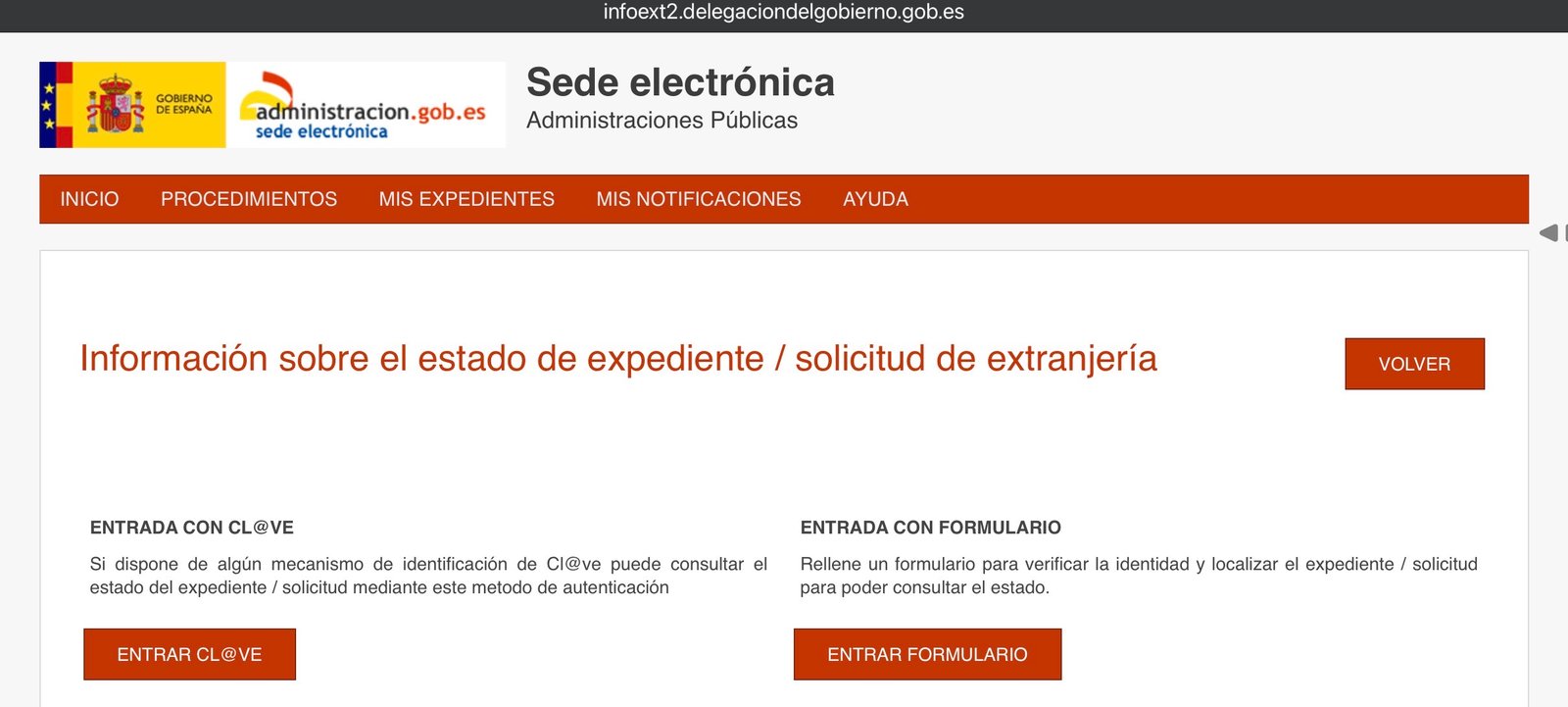
    Par internet, sur le siège électronique (la page officielle est infoext2.delegaciondelgobierno.gob.es). Vous pouvez y accéder de deux façons :

    • avec une identification numérique (Cl@ve ou certificat électronique), si vous en disposez ; ou
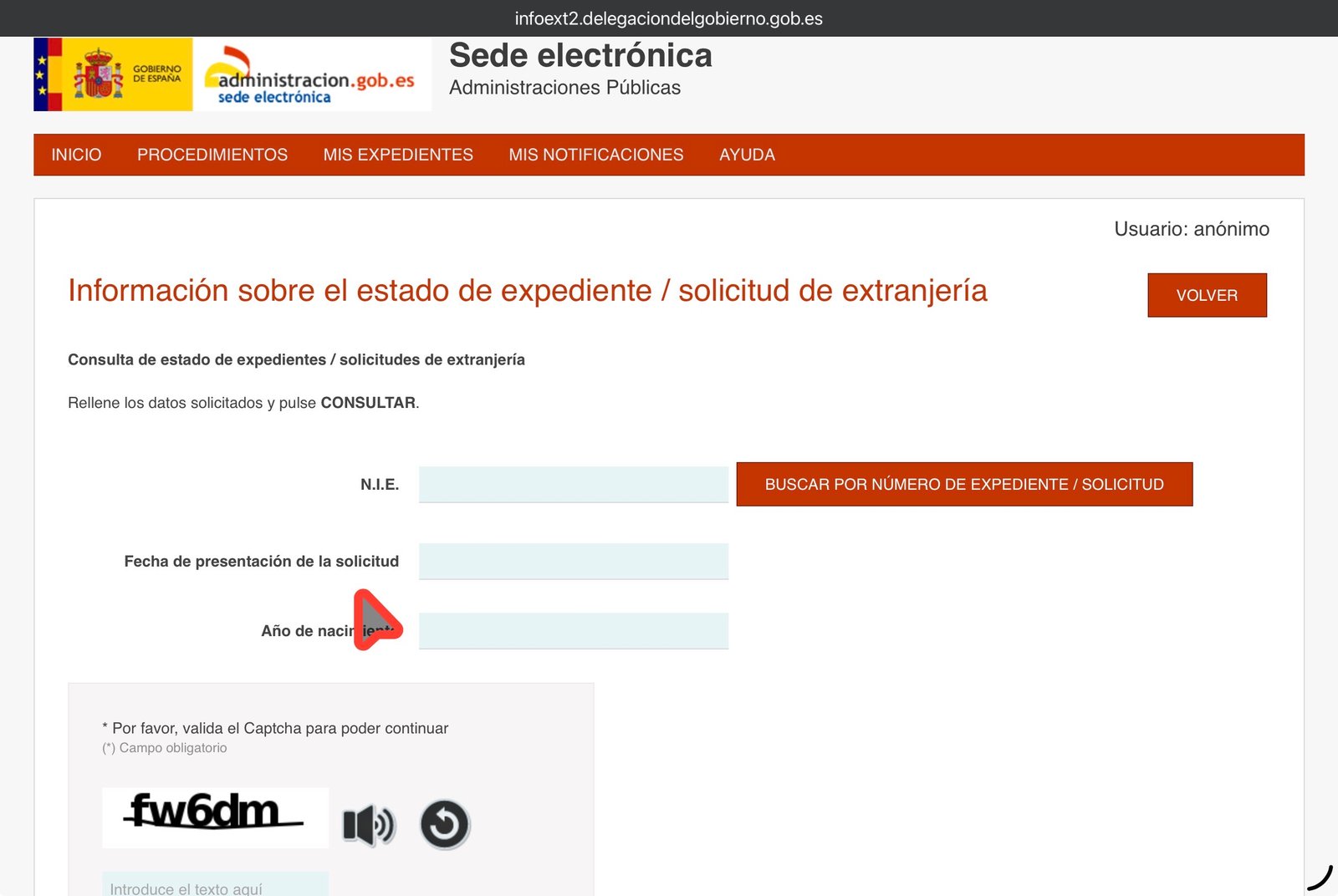
    • sans identification numérique, en remplissant un formulaire. Il vous demandera votre NIE, la date à laquelle la demande a été déposée et votre année de naissance, et vous devrez recopier un petit code de sécurité (un captcha) qui apparaît à l’écran. Vous pouvez aussi rechercher directement par le numéro de dossier ou de demande.
    Écran de choix entre Entrada con Cl@ve et Entrada con formulario sur le siège électronique
    Le siège électronique : l’écran de choix entre «Entrada con Cl@ve» et «Entrada con formulario».
    Formulaire du siège électronique avec les champs NIE, date de dépôt et année de naissance
    Le formulaire demandant le NIE, la date de dépôt et l’année de naissance.

    Si vous ne disposez pas de ces données, ne restez pas dans le doute : aux services sociaux ou auprès d’une organisation collaboratrice, on peut vous aider à les retrouver. Personne n’a le droit de vous cacher les informations concernant votre propre situation.

    Si ce que vous vivez à la maison, c’est de la maltraitance

    Il existe un numéro de téléphone que vous pouvez appeler : le 016. Il répond dans de nombreuses langues vingt-quatre heures sur vingt-quatre, il est gratuit et ne laisse aucune trace sur la facture téléphonique. Demander des informations ne vous engage à rien.

    Avoir vos papiers change votre vie : cela vous permet de travailler, de vous déplacer, de demander de l’aide et de décider par vous-même. Il ne reste que quelques semaines. Franchissez le pas pour vous.

    @intercultural-infoAbonnez-vous pour les actualités et tutoriels vidéo →

    Avis juridique : ce contenu a un caractère informatif et ne constitue pas un conseil juridique. Pour les situations individuelles, consultez une personne professionnelle habilitée en droit des étrangers ou une organisation collaboratrice accréditée.

    Sources

  • Sólo para mujeres — regularización extraordinaria de inmigrantes en España 2026

    Sólo para mujeres — regularización extraordinaria de inmigrantes en España 2026

    Este artículo también está disponible en: Español العربية English Français

    5 de junio de 2026 | intercultural.info

    En breve: la regularización extraordinaria 2026 es un derecho individual que puedes solicitar tú misma, sin el permiso de nadie, antes del 30 de junio. Aquí te explicamos cómo pedirla, cómo comprobar el estado de tu expediente y a quién acudir si sufres maltrato.

    Si todavía no has pedido la regularización, o si alguien la pidió por ti y no sabes en qué punto está, este texto es para ti. Queda menos de un mes.

    El plazo para solicitar la regularización extraordinaria de 2026 termina el 30 de junio y, en principio, no se prorrogará. A día de hoy quedan menos de cuatro semanas. Hay mujeres que llegarán a esa fecha sin haberlo solicitado, simplemente porque nadie les ha explicado que tienen derecho, o porque alguien las ha convencido de que no pueden hacer nada por su cuenta.

    Sabemos que, para algunas de vosotras, dar este paso no es sencillo. Hay mujeres que viven bajo el control de un proxeneta o de quien las explota: les retienen el pasaporte, las mantienen sin papeles y las atemorizan para que no salgan de la clandestinidad, porque una mujer asustada y sin documentación resulta más fácil de controlar, más fácil de someter. En otros casos es la propia pareja, o el marido, quien utiliza los papeles como una forma más de maltrato, aprovechando que ella no habla bien el idioma, que está desinformada y que está sola, sin nadie a quien acudir.

    Muchas de estas mujeres son madres. Y a muchas les han repetido durante años la misma amenaza: que si se mueven les quitarán a sus hijas e hijos, que las expulsarán de España, que las encerrarán. Lo dicen precisamente para que no se atrevan. Mujeres que sobrevivieron a la trata y a la prostitución —buena parte de ellas migrantes— lo han contado en público: así se construye el miedo, y así se sostiene la sumisión; y quienes trabajamos en el ámbito migratorio y con mujeres víctimas de violencia machista conocemos varios de estos casos.

    Por eso este mensaje es importante.

    Puedes hacerlo tú misma

    La solicitud de la regularización es individual. No necesitas el permiso de ningún hombre, ni su firma, ni su presencia. No dependes de él para obtener tus papeles. Tu residencia es un derecho tuyo, no un favor que nadie te concede ni te puede retirar.

    Lo que sí puedes hacer es acudir tú misma a los servicios sociales de tu ayuntamiento, o a una entidad colaboradora acreditada. Allí te explican cómo presentar la solicitud, te orientan de forma gratuita e incluso la presentan en tu nombre si tienen la capacidad. Si no hablas bien español, dilo sin reparo: muchas de estas entidades trabajan con mediadoras e intérpretes y están acostumbradas a atender a mujeres en tu situación.

    🤝

    Encuentra una entidad que pueda ayudarte

    Localiza organizaciones acreditadas cerca de ti que ofrecen orientación gratuita y pueden presentar la solicitud en tu nombre.

    Buscar entidades →

    La norma reconoce, además, que encontrarse en situación irregular —con todo lo que ello supone en lo personal, lo económico y lo social— puede constituir por sí misma una situación de vulnerabilidad. Los servicios sociales o una entidad colaboradora pueden emitir el certificado de vulnerabilidad que lo acredita, y ese trámite también es gratuito.

    ¿Y si te dijeron que ya la presentaron?

    Tienes derecho a saber si es cierto y en qué punto se encuentra, y puedes comprobarlo tú misma. Para ello necesitas un dato: tu número de NIE o el número de expediente de la solicitud —ambos se conceden una vez la solicitud de regularización haya sido admitida a trámite—. Hay dos formas de hacerlo.

    Por SMS (mensaje de texto). Envía un mensaje al 651 714 610: es gratuito y recibirás una respuesta con el estado del trámite. Si usas el NIE, escribe la palabra NIE, deja un espacio y añade tu NIE completo —empieza por X, Y o Z, lleva ocho dígitos y termina en una letra, por ejemplo X00000111L—. Si usas el número de expediente, escribe EXPE, deja un espacio y añade el número (son quince caracteres).

    Por internet, en la sede electrónica (la página oficial es infoext2.delegaciondelgobierno.gob.es). Allí puedes entrar de dos modos:

    • con identificación digital (Cl@ve o certificado electrónico), si dispones de ella; o
    • sin identificación digital, rellenando un formulario. Te pedirá tu NIE, la fecha en que se presentó la solicitud y tu año de nacimiento, y tendrás que copiar un pequeño código de seguridad (un captcha) que aparece en la pantalla. También puedes buscar directamente por el número de expediente o solicitud.
    La sede electrónica: pantalla de elección entre «Entrada con Cl@ve» y «Entrada con formulario»
    La sede electrónica: la pantalla de elección entre «Entrada con Cl@ve» y «Entrada con formulario».
    El formulario de la sede electrónica con los campos NIE, fecha de presentación y año de nacimiento
    El formulario con los campos NIE, fecha de presentación y año de nacimiento.

    Si no dispones de esos datos, no te quedes con la duda: en los servicios sociales o en una entidad colaboradora pueden ayudarte a averiguarlo. Nadie tiene derecho a esconderte la información sobre tu propia situación.

    Si lo que vives en casa es maltrato

    Existe un teléfono al que puedes llamar: el 016. Atiende en numerosos idiomas las veinticuatro horas del día, es gratuito y no deja rastro en la factura telefónica. Pedir información no te compromete a nada.

    Tener tus papeles cambia tu vida: te permite trabajar, moverte, pedir ayuda y decidir por ti misma. Quedan pocas semanas. Da el paso por ti.

    @intercultural-infoSuscríbete para novedades y tutoriales en vídeo →

    Aviso legal: este contenido tiene carácter informativo y no constituye asesoramiento jurídico. Para situaciones individuales, consulta con una persona profesional habilitada en extranjería o con una entidad colaboradora acreditada.

    Fuentes

  • للنساء فقط — التسوية الاستثنائيّة للمهاجرين والمهاجرات في إسبانيا 2026

    للنساء فقط — التسوية الاستثنائيّة للمهاجرين والمهاجرات في إسبانيا 2026

    هذا المقال متاح أيضاً بـ: العربية Español English Français

    5 يونيو 2026 | intercultural.info

    باختصار: التسوية الاستثنائيّة 2026 حقٌّ فرديّ يمكنكِ طلبه بنفسكِ دون إذن من أحد، قبل 30 يونيو. هنا نشرح كيف تقدِّمين الطلب، وكيف تتحقّقين من حالة ملفّكِ، وبمن تستعينين إن كنتِ تتعرّضين لسوء المعاملة.

    إن لم تكوني قد قدَّمتِ طلب التسوية بعد، أو إن قدَّمه أحدٌ نيابةً عنكِ ولا تعرفين في أيّ مرحلة وصل، فهذا النصّ موجَّه إليكِ. لم يبقَ سوى أقلّ من شهر.

    ينتهي أجل تقديم طلب التسوية الاستثنائيّة لعام 2026 في 30 يونيو، ولن يُمدَّد مبدئيّاً. اليوم لم يبقَ سوى أقلّ من أربعة أسابيع. هناك نساء سيَبلُغن ذلك التاريخ دون أن يُقدِّمن الطلب، لا لشيء إلّا لأنّ أحداً لم يشرح لهنّ أنّ من حقّهنّ ذلك، أو لأنّ أحداً أقنعهنّ بأنّهنّ لا يستطعن فعل شيء بمفردهنّ.

    نعلم أنّ الإقدام على هذه الخطوة ليس سهلاً بالنسبة إلى بعضكنّ. هناك نساء يَعِشن تحت سيطرة قوّاد أو من يستغلّهنّ: يَحتجزون جوازات سفرهنّ، ويُبقينهنّ بلا أوراق، ويُرهِبونهنّ كي لا يَخرجن من الخفاء، لأنّ امرأةً خائفةً وبلا وثائق أسهلُ في السيطرة عليها وأسهلُ في إخضاعها. وفي حالات أخرى يكون الشريك نفسه، أو الزوج، هو من يستخدم الأوراق كشكلٍ آخر من أشكال سوء المعاملة، مستغلّاً أنّها لا تُتقن اللغة، وأنّها بلا معلومات، وأنّها وحيدة ولا أحد من تلجأ إليه.

    كثيرٌ من هؤلاء النساء أمّهات. وكثيرٌ منهنّ تَعرَّضن لسنوات للتهديد نفسه: أنّهنّ إن تحرَّكن سيُنتزَع منهنّ أبناؤهنّ وبناتهنّ، وأنّهنّ سيُطرَدن من إسبانيا، وأنّهنّ سيُحبَسن. يقولون ذلك للنساء كي لا يجرُؤن على البوح بمعاناتهن. نساءٌ نجَون من الاتّجار ومن الدعارة — وجزءٌ كبيرٌ منهنّ مهاجرات — روَين ذلك علناً: هكذا يُبنى الخوف، وهكذا يُحافَظ على الخضوع؛ ومن نعمل في مجال الهجرة ومع النساء ضحايا العنف، نعرف عدداً من هذه الحالات.

    لهذا فإنّ هذه الرسالة مهمّة.

    يمكنكِ أن تطلبيها بنفسكِ

    طلب التسوية فرديّ. لا تحتاجين إلى إذن أيّ رجل، ولا إلى توقيعه، ولا إلى حضوره. لا تعتمدين عليه للحصول على أوراقكِ. إقامتكِ حقٌّ لكِ، وليست منّةً يمنحها أحدٌ أو يستطيع سحبها.

    ما يمكنكِ فعله هو أن تتوجَّهي بنفسكِ إلى الخدمات الاجتماعيّة في بلديّتكِ، أو إلى مُنظَّمة متعاونة معتمَدة. هناك يشرحون لكِ كيف تُقدِّمين الطلب، ويوجِّهونكِ مجّاناً، بل ويُقدِّمون الطلب نيابةً عنكِ إن كانت لديهم القدرة على ذلك. وإن كنتِ لا تُتقنين الإسبانيّة، فقولي ذلك دون حرج: كثيرٌ من هذه المُنظَّمات تعمل مع وسيطات ومترجمات، وهي معتادة على استقبال نساء في وضعكِ.

    🤝

    اعثري على مُنظَّمة يمكنها مساعدتك

    ابحثي عن مُنظَّمات معتمَدة قريبة منكِ تُقدّم توجيهاً مجّانيّاً ويمكنها تقديم الطلب نيابةً عنكِ.

    البحث عن مُنظَّمات ←

    تُقرّ اللوائح التّنظيمية كذلك بأنّ وجودكِ في وضعيّة غير نظاميّة — بكلّ ما يحمله ذلك على المستوى الشخصيّ والاقتصاديّ والاجتماعيّ — قد يُشكِّل بحدّ ذاته وضعيّة هشاشة. ويمكن للخدمات الاجتماعيّة أو لمُنظَّمة متعاونة إصدار شهادة الهشاشة التي تُثبت ذلك، وهذا الإجراء مجّانيّ أيضاً.

    وماذا إن قيل لكِ إنّ الطلب قُدِّم بالفعل؟

    من حقّكِ أن تعرفي إن كان ذلك صحيحاً وفي أيّ مرحلة هو، ويمكنكِ التحقّق بنفسكِ. لذلك تحتاجين إلى معطىً واحد: رقم الـNIE (رقم هويّة الأجنبيّة) الخاصّ بكِ، أو رقم الملفّ EXPE (expediente، رقم ملفّ الطلب) — وكلاهما يُمنَح بمجرّد قبول طلب التسوية للدراسة. وهناك طريقتان للقيام بذلك.

    عبر الرسائل القصيرة (SMS). أرسلي رسالةً إلى الرقم 651 714 610: الخدمة مجّانيّة وستصلكِ ردّ بحالة الإجراء. إن استخدمتِ الـNIE، فاكتبي كلمة NIE بالأحرف اللاتينيّة، ثمّ اتركي فراغاً وأضيفي رقم الـNIE كاملاً — يبدأ بحرف X أو Y أو Z، ويتضمّن ثمانية أرقام، وينتهي بحرف، مثلاً X00000111L. وإن استخدمتِ رقم الملفّ، فاكتبي كلمة EXPE بالأحرف اللاتينيّة، ثمّ اتركي فراغاً وأضيفي الرقم (وهو من خمسة عشر حرفاً).

    عبر الإنترنت، في البوّابة الإلكترونيّة (الصفحة الرسميّة هي infoext2.delegaciondelgobierno.gob.es). هناك يمكنكِ الدخول بطريقتين:

    • بهويّة رقميّة (Cl@ve أو الشهادة الإلكترونيّة)، إن كانت لديكِ؛
    • بدون هويّة رقميّة، بملء استمارة. ستطلب منكِ رقم الـNIE، وتاريخ تقديم الطلب، وسنة ميلادكِ، وسيتعيّن عليكِ نسخ رمز أمان صغير (captcha) يظهر على الشاشة. ويمكنكِ أيضاً البحث مباشرةً برقم الملفّ أو الطلب.
    شاشة الاختيار في البوّابة الإلكترونيّة
    شاشة الاختيار في البوّابة الإلكترونيّة بين «Entrada con Cl@ve» (الدخول بـCl@ve) و«Entrada con formulario» (الدخول عبر استمارة).
    استمارة البوّابة الإلكترونيّة بحقول NIE وتاريخ التقديم وسنة الميلاد
    الاستمارة التي تطلب رقم الـNIE وتاريخ تقديم الطلب وسنة الميلاد.

    إن لم تتوفّر لديكِ تلك المعطيات، فلا تبقَي في حيرة: في الخدمات الاجتماعيّة أو لدى مُنظَّمة متعاونة يمكنهم مساعدتكِ على معرفتها. لا يحقّ لأحدٍ أن يُخفي عنكِ المعلومات المتعلّقة بوضعكِ أنتِ.

    إن كنتِ تتعرّضين لسوء المعاملة في البيت

    هناك رقم هاتف يمكنكِ الاتّصال به: 016. يردّ بلغات عديدة على مدار أربعٍ وعشرين ساعةً في اليوم، وهو مجّانيّ ولا يترك أثراً في فاتورة الهاتف. طلب المعلومات لا يُلزمكِ بشيء.

    امتلاككِ لأوراقكِ يُغيِّر حياتكِ: يتيح لكِ العمل، والتنقّل، وطلب المساعدة، واتّخاذ القرار بنفسكِ. لم تبقَ سوى أسابيع قليلة. اخطي الخطوة من أجلكِ أنتِ.

    @intercultural-infoاشترك للحصول على آخر الأخبار والمعلومات ←

    تنبيه قانونيّ: هذا المحتوى ذو طابع إعلاميّ ولا يُشكِّل استشارةً قانونيّة. للحالات الفرديّة، استشيري شخصاً مهنيّاً مؤهّلاً في قانون الأجانب أو مُنظَّمة متعاونة معتمَدة.

    المصادر

  • For women only — extraordinary regularisation of immigrants in Spain 2026

    For women only — extraordinary regularisation of immigrants in Spain 2026

    This article is also available in: English Español العربية Français

    5 June 2026 | intercultural.info

    In brief: the 2026 extraordinary regularisation is an individual right that you can apply for yourself, without anyone’s permission, before 30 June. Here we explain how to apply, how to check the status of your file, and whom to contact if you suffer abuse.

    If you have not yet applied for the regularisation, or if someone applied on your behalf and you do not know its current status, this text is for you. Less than a month remains.

    The deadline for applying for the extraordinary regularisation of 2026 concludes on 30 June and, in principle, will not be extended. As of today, less than four weeks remain. Some women will reach that date without having applied, simply because nobody has explained to them that they hold this right, or because someone has persuaded them that they can do nothing on their own.

    We are aware that, for some of you, taking this step is not simple. Some women live under the control of a pimp or of whoever exploits them: they retain their passports, maintain them without documents, and intimidate them so that they will not emerge from concealment, because a frightened woman without documentation is easier to control, easier to subdue. In other cases it is the partner, or the husband, who utilises the papers as one further form of abuse, exploiting the fact that she does not speak the language well, that she is uninformed, and that she is alone, with nobody she may approach.

    Many of these women are mothers. And many have heard the same threat repeated for years: that if they act, their daughters and sons will be taken from them, that they will be expelled from Spain, that they will be confined. They state this precisely so that the women will not dare. Women who survived trafficking and prostitution —a substantial proportion of them migrants— have recounted it publicly: this is how fear is constructed, and this is how submission is sustained; and those of us who work in the field of migration and with women who are victims of gender violence are acquainted with several such cases.

    This is why this message is important.

    You can do it yourself

    The regularisation application is individual. You require no man’s permission, nor his signature, nor his presence. You do not depend on him to obtain your papers. Your residence is a right of yours, not a favour that anyone grants you or may withdraw.

    What you are able to do is to attend, yourself, the social services of your town council, or an accredited collaborating entity. There they explain to you how to submit the application, they provide guidance free of charge, and they even submit it on your behalf if they possess the capacity to do so. If you do not speak Spanish well, declare this without reservation: many of these entities work with mediators and interpreters and are accustomed to assisting women in your situation.

    🤝

    Find an organisation that can help you

    Locate accredited organisations near you that provide free guidance and can submit the application on your behalf.

    Search for organisations →

    The regulation furthermore recognises that finding oneself in an irregular situation —with everything that this entails on a personal, economic, and social level— may in itself constitute a situation of vulnerability. The social services or a collaborating entity may issue the vulnerability certificate that attests to this, and that procedure is likewise free of charge.

    And what if you were told that it has already been submitted?

    You have the right to know whether this is true and at what stage it is, and you can verify it yourself. For this you require one item of data: your NIE number (foreigner’s identity number) or the file number EXPE (expediente, the application file number) —both are assigned once the regularisation application has been admitted for processing. There are two ways to do this.

    By SMS (text message). Send a message to 651 714 610: it is free of charge and you will receive a reply with the status of the procedure. If you use the NIE, write the word NIE in Latin characters, leave a space, and add your complete NIE —it commences with X, Y, or Z, contains eight digits, and concludes with a letter, for example X00000111L. If you use the file number, write EXPE in Latin characters, leave a space, and add the number (it comprises fifteen characters).

    By internet, on the electronic office (the official page is infoext2.delegaciondelgobierno.gob.es). There you may enter in two manners:

    • with digital identification (Cl@ve or electronic certificate), if you possess it; or
    • without digital identification, by completing a form. It will request your NIE, the date on which the application was submitted, and your year of birth, and you will have to copy a small security code (a captcha) that appears on the screen. You may also search directly by the file or application number.
    Screen for choosing between Entrada con Cl@ve and Entrada con formulario on the electronic office
    The electronic office: the screen for choosing between «Entrada con Cl@ve» and «Entrada con formulario».
    Form on the electronic office showing the fields for NIE, date of submission, and year of birth
    The form requesting the NIE, the submission date, and the year of birth.

    If you do not possess that data, do not remain in doubt: at the social services or at a collaborating entity they can assist you in ascertaining it. Nobody has the right to conceal from you the information regarding your own situation.

    If what you experience at home is abuse

    There is a telephone number you can call: 016. It responds in numerous languages twenty-four hours a day, it is free of charge, and it leaves no trace on the telephone bill. Requesting information commits you to nothing.

    Possessing your papers changes your life: it permits you to work, to move, to request assistance, and to decide for yourself. Few weeks remain. Take the step for yourself.

    @intercultural-infoSubscribe for updates and video tutorials →

    Legal disclaimer: this content is provided for informational purposes and does not constitute legal advice. For individual situations, consult a qualified professional in immigration law or an accredited collaborating entity.

    Sources

  • التسوية الاستثنائيّة للمهاجرين في إسبانيا 2026: ما نعرفه، من يحقّ له طلبها، وماذا عليك أن تفعل الآن

    التسوية الاستثنائيّة للمهاجرين في إسبانيا 2026: ما نعرفه، من يحقّ له طلبها، وماذا عليك أن تفعل الآن

    هذا المقال متاح أيضاً بـ: Español العربية English Français

    آخر تحديث: 15 أبريل 2026 | intercultural.info

    نُشر المرسوم الملكي 316/2026 الخاصّ بالتسوية الاستثنائيّة اليوم في الجريدة الرسميّة (BOE). يدخل حيّز التنفيذ غداً، 16 أبريل. ما كان مجرّد مشروعٍ طوال أشهر أصبح الآن نصّاً رسميّاً: يحقّ للأشخاص الأجانب المقيمين في إسبانيا بدون إقامة قانونيّة، أو الذين تقدّموا بطلب لجوء قبل الأوّل من يناير 2026، التقدّم بطلب للحصول على تصريح إقامة وعمل.

    في هذا المقال نشرح لك الشروط المؤكَّدة، المواعيد الأساسيّة، وما عليك فعله لتقديم طلبك.

    ✅ نُشر في الجريدة الرسميّة: صدر المرسوم الملكي 316/2026، المؤرَّخ في 14 أبريل، في الجريدة الرسميّة (BOE) بتاريخ 15 أبريل 2026 (disposición BOE-A-2026-8284). يدخل حيّز التنفيذ في 16 أبريل. المعلومات الواردة في هذا المقال تعكس النصّ الرسمي المنشور.

    ما هي هذه التسوية؟

    هي إجراء استثنائيّ ومؤقَّت يُتيح للأشخاص الأجانب المقيمين بدون إقامة قانونيّة الحصول على تصريح إقامة وعمل في إسبانيا. تُقدِّر الحكومة أنّ نحو 500 ألف شخص قد يستفيدون منها. صدرت بموجب مرسوم ملكي — دون الحاجة إلى موافقة البرلمان — وتُعدِّل نظام الأجانب (المرسوم الملكي 1155/2024) بإضافة حُكمين انتقاليّين جديدين.

    من يحقّ له التقديم؟

    يُحدِّد المرسوم الملكي مسارين للاستفادة:

    المسار الأوّل: إذا تقدّمت بطلب لجوء قبل الأوّل من يناير 2026

    يمكنك الاستفادة من هذه التسوية حتى لو رُفض طلب لجوئك أو كان لا يزال قيد البتّ. لا يُشترط التنازل عن إجراءات اللجوء لتقديم الطلب: لن يُطلب منك الانسحاب من طلب اللجوء أو الطعن إلا إذا صدر قرار إيجابي بشأن التسوية. يُعتبر أنّك طالب حماية دوليّة منذ اللحظة التي أبديت فيها رغبتك في تقديم الطلب.

    المسار الثاني: إذا كنت بدون إقامة قانونيّة ولم تتقدّم بطلب لجوء

    بالإضافة إلى الشروط العامّة (انظر أدناه)، يجب أن تُثبت واحدة على الأقلّ من الحالات الثلاث التالية:

    • العمل: أن تكون قد عملت بأجر أو لحسابك الخاصّ خلال إقامتك في إسبانيا، أو أن تُثبت نيّتك في العمل بتقديم عرض عمل (عقد أو مجموع عقود تتجاوز 90 يوماً في السنة) أو إقرار مسؤول بنشاط مهنيّ مستقلّ.
    • الروابط الأسريّة: أن تعيش في إسبانيا مع أبنائك القاصرين، أو أبنائك البالغين ذوي الإعاقة الذين يحتاجون إلى دعم، أو أصولك المباشرين من الدرجة الأولى.
    • الهشاشة الاجتماعيّة: وضعيّة هشاشة مُثبتة بشهادة — يمكن تحميلها من بوّابة التسوية — مُصادَق عليها من طرف الخدمات الاجتماعيّة أو من كيان مسجَّل في سجل الكيانات المتعاونة في شؤون الأجانب (RECEX). ينصّ المرسوم على أنّ الوضعيّة الإداريّة غير النظاميّة بحدّ ذاتها، إلى جانب الظروف الشخصيّة والاقتصاديّة والاجتماعيّة المترتّبة عليها، يمكن أن تُشكِّل حالة هشاشة.

    لا يحقّ التقدّم لهذه التسوية للأشخاص الذين يحملون أيّ تصريح إقامة أو إذن بالبقاء ساري المفعول — أو لديهم طلب تصريح إقامة قيد الدراسة. كذلك لا يحقّ التقدّم للمستفيدين من الحماية المؤقَّتة القادمين من أوكرانيا، الذين يخضعون لإجراء منفصل.

    الشروط الأساسيّة

    هذه الشروط تراكميّة — يجب استيفاؤها جميعاً:

    • أن تكون قد تواجدت في إسبانيا قبل الأوّل من يناير 2026. يمكن إثبات ذلك بأيّ وثيقة تحمل اسمك وتاريخاً: جواز سفر بختم دخول، عقد إيجار، فواتير، تقارير طبيّة، شهادة السُّكنى (empadronamiento)، إيصالات تحويلات ماليّة، إلخ.
    • أن تكون قد أمضيت 5 أشهر على الأقلّ من الإقامة المتواصلة في إسبانيا في لحظة تقديم الطلب. مصطلح «متواصلة» مُثبَت في النصّ النهائي.
    • ألّا يكون لديك سوابق جنائيّة في إسبانيا ولا في البلدان التي أقمت فيها خلال السنوات الخمس السابقة لدخولك إسبانيا. يجب تقديم شهادة حُسن السيرة من بلدك الأصلي. إذا كنت قد طلبتها ولم تصلك خلال شهر، يمكنك تقديم إقرار مسؤول يُفيد بذلك وتفويض السلطات الإسبانيّة باستخراجها عبر القنوات الدبلوماسيّة. السوابق القابلة للإلغاء في إسبانيا لا تُؤخذ بعين الاعتبار.
    • ألّا تُشكِّل تهديداً للنظام العام ولا يكون لديك حظر دخول إلى إسبانيا.
    • دفع رسم التسجيل: 38,28 يورو.

    ماذا ستحصل عليه؟

    تصريح إقامة وعمل لمدّة سنة واحدة، صالح لأيّ قطاع وفي جميع أنحاء إسبانيا. بمجرّد أن تُبلغك الإدارة ببدء معالجة طلبك، ستكون مُخوَّلاً مؤقَّتاً للعمل بأجر ولحسابك الخاصّ. ستحصل أيضاً على رقم انتساب في الضمان الاجتماعي وبطاقة صحيّة. أمّا أبناؤك القاصرون، فيحصلون على تصريح إقامة لمدّة خمس سنوات.

    بعد انقضاء السنة الأولى، يجب طلب تعديل تصريحك عبر المسارات العاديّة المنصوص عليها في نظام الأجانب. إذا تعذّر الوصول إلى تعديل، يمكن طلب تمديد بإثبات البحث الفعّال عن عمل.

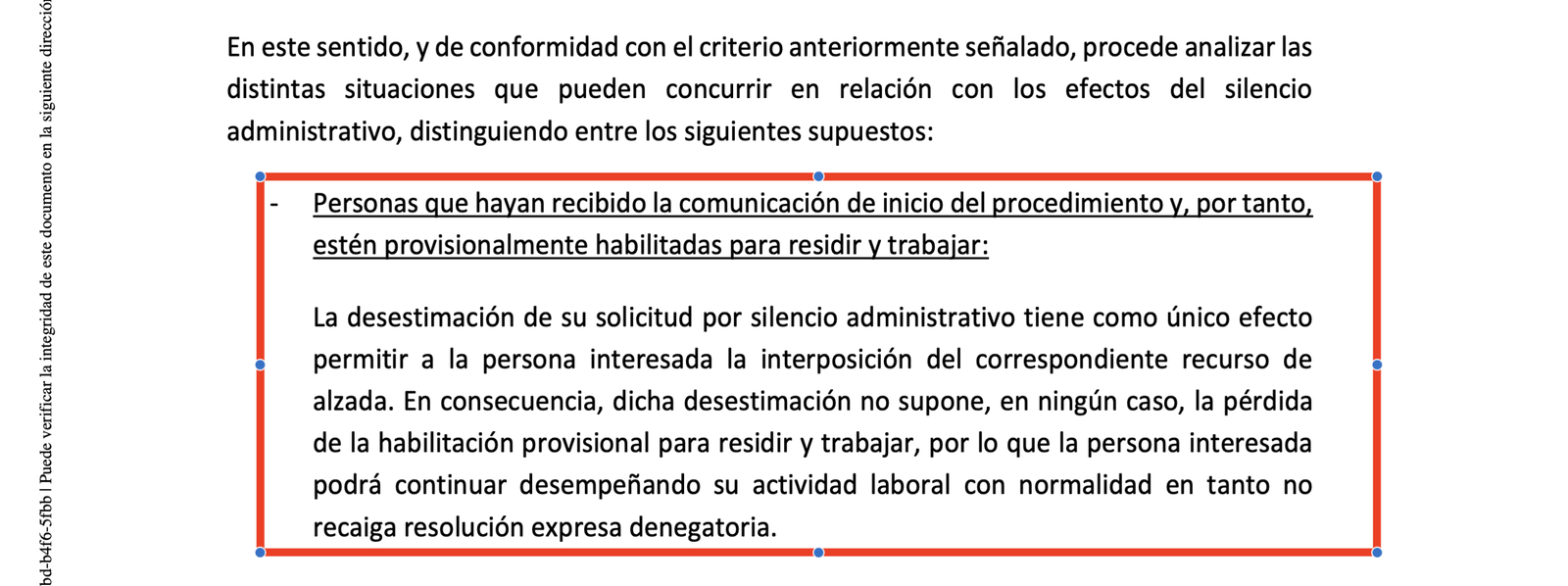
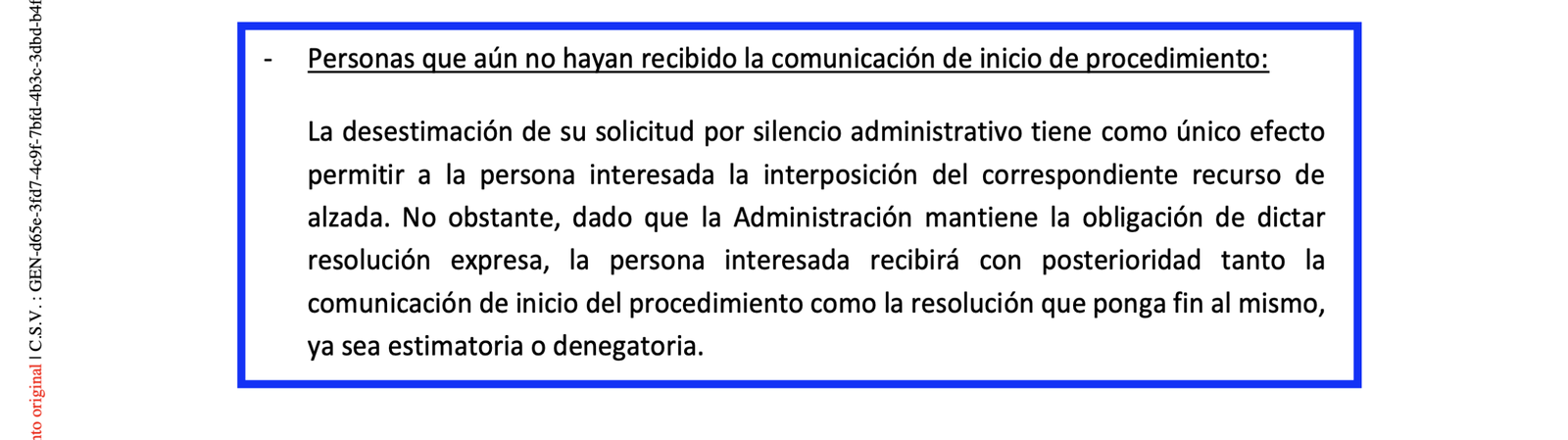
    الأجل الأقصى للبتّ في الطلب هو ثلاثة أشهر. إذا لم تصدر الإدارة قراراً خلال هذا الأجل، يُعتبر الطلب مرفوضاً بموجب السكوت الإداري. بعد صدور قرار إيجابي، لديك شهر واحد لطلب بطاقة هويّة الأجانب (TIE) لدى الشرطة الوطنيّة.

    متى وأين؟

    ⚠️ أجل غير قابل للتمديد: يجب تقديم الطلبات قبل 30 يونيو 2026. لن يكون هناك أيّ تمديد.

    هذه هي المواعيد الأساسيّة:

    • 16 أبريل: يُفتح باب التقديم الإلكتروني (24 ساعة، 7 أيّام في الأسبوع) ونظام حجز المواعيد للحضور الشخصي.
    • 20 أبريل: يبدأ الاستقبال الحضوري في المكاتب بموعد مسبق.
    • 30 يونيو: إغلاق باب الطلبات. غير قابل للتمديد.

    يمكن تقديم الطلب إلكترونيّاً (بشهادة إلكترونيّة شخصيّة، أو عبر سجل التوكيلات، أو من خلال محامٍ أو وكيل إداري، أو عبر كيان مسجَّل في سجل الكيانات المتعاونة في شؤون الأجانب) أو حضوريّاً، دائماً بموعد مسبق، في مكاتب مُخصَّصة تابعة للضمان الاجتماعي ومكاتب البريد (Correos) وبعض مكاتب الأجانب. ستتوفّر المعلومات على بوّابة inclusion.gob.es/regularización ابتداءً من 16 أبريل.

    يمكن حجز الموعد عبر بوّابة التسوية (بنظام Cl@ve أو بدونه) أو بالاتّصال على الرقم 060 (خدمة بالإسبانيّة، من الاثنين إلى الجمعة من 09:30 إلى 14:00 ومن 16:30 إلى 19:30).

    من يمكنه مساعدتك؟

    سجل الكيانات المتعاونة في شؤون الأجانب (RECEX — نُشر في الجريدة الرسميّة بتاريخ 5 مارس 2026) يُتيح للنقابات والمنظّمات غير الحكوميّة المسجَّلة تقديم الاستشارة لك مجّاناً وتقديم الطلبات نيابةً عنك. يمكن أيضاً الاستعانة بمهنيّين مُعتمَدين: محامين ومحاميات، وكلاء اجتماعيّين، ووكلاء إداريّين.

    تنبيه: تُرصد حالات احتيال ونصب. لا أحد يستطيع «حجز مكان أو موعد مسبق» قبل أن يبدأ النظام العمل غداً 16 أبريل. لا تدفع لأيّ شخص مقابل إجراءات مجّانيّة عبر الكيانات المتعاونة. إذا كانت لديك شكوك، استشر فقط المصادر الرسميّة أو الكيانات المعترف بها.

    ما العمل الآن؟

    1. اجمع وثائقك: كلّ ما يُثبت تواجدك في إسبانيا قبل الأوّل من يناير 2026 وخلال الأشهر الخمسة الأخيرة. رتّبها حسب التاريخ.
    2. تأكّد من تسجيلك في السكنى البلدي (empadronamiento). التسجيل ليس إلزاميّاً لتقديم الطلب، لكنّه وثيقة مفيدة جداً لإثبات التواجد. التسجيل مجاني ولا يتأثّر بوضعيّتك الإداريّة.
    3. اطلب شهادة حُسن السيرة من بلدك الأصلي إن لم تكن لديك. إذا كنت قد طلبتها ولم تصلك خلال شهر، ينصّ المرسوم على آليّة تسمح للسلطات الإسبانيّة باستخراجها عبر القنوات الدبلوماسيّة.
    4. لا تغادر إسبانيا إلى حين تقديم طلبك. يجب أن تكون الإقامة متواصلة خلال الأشهر الخمسة السابقة لتقديم الطلب.
    5. إذا كان لديك طلب أرايغو (arraigo) قيد الدراسة، لا حاجة لأيّ إجراء إضافي. ينصّ المرسوم الملكي على أنّ طلبات الأرايغو المقدَّمة منذ مايو 2025 ستُعالَج وفق شروط هذه التسوية.
    6. إذا كنت ستقدّم طلبك إلكترونيّاً، تحتاج إلى شهادة إلكترونيّة. نشرح لك كيفيّة الحصول عليها في: الشهادة الإلكترونيّة للأشخاص الأجانب في إسبانيا. إذا لم تكن لديك شهادة إلكترونيّة، يمكنك تقديم طلبك حضوريّاً أو عبر ممثّل.
    7. استقِ معلوماتك من مصادر موثوقة فقط: بوّابة inclusion.gob.es، لا مونكلوا، ومنظّمات مثل CEAR، الصليب الأحمر، Accem أو Red Acoge.

    قيد الانتظار: نموذج الطلب

    سيكون نموذج الطلب والاستبيان الاجتماعي-المهني المُرفق به متاحين للتحميل من بوّابة التسوية (inclusion.gob.es) ابتداءً من 16 أبريل. بمجرّد نشرهما، سنُحدِّث هذا المقال بالروابط المباشرة.

    خلاصة

    التسوية أصبحت رسميّة. يُفتح باب الطلبات غداً 16 أبريل ويُغلق في 30 يونيو — أي أكثر بقليل من شهرين. ليست العمليّة تلقائيّة: يجب جمع الوثائق واستيفاء الشروط وتقديم الطلب في الوقت المحدَّد. لكنّها فرصة حقيقيّة لمئات الآلاف من الأشخاص. في intercultural.info سنتابع العمليّة عن كثب ونشرح لك كلّ خطوة.

    @intercultural-infoاشترك للحصول على آخر الأخبار والمعلومات ←
  • Extraordinary regularisation 2026 in Spain: what is known, who is eligible, and what you should do now

    Extraordinary regularisation 2026 in Spain: what is known, who is eligible, and what you should do now

    This article is also available in: Español العربية English Français

    Updated 15 April 2026 | intercultural.info

    Royal Decree 316/2026 on the extraordinary regularisation was published on 15 April 2026 in Spain’s Official Gazette (Boletín Oficial del Estado) and entered into force on 16 April. What had remained a draft for months is now an official regulation: foreign nationals residing in Spain without a valid residence permit, or who applied for asylum before 1 January 2026, may apply for a residence and work permit.

    In this article we explain the confirmed requirements, the key dates and what you need to do to submit your application.

    ✅ Published in the Official Gazette: Royal Decree 316/2026, dated 14 April, has been published in the BOE on 15 April 2026 (reference BOE-A-2026-8284). It enters into force on 16 April. The information in this article reflects the official published text.

    What is this regularisation?

    It is an exceptional, time-limited process that enables foreign nationals without a valid residence permit to obtain a residence and work permit in Spain. The Government estimates that approximately 500,000 people may benefit. It has been approved by Royal Decree — without requiring parliamentary approval — and modifies the Immigration Regulations (Royal Decree 1155/2024) by introducing two new additional provisions.

    Who is eligible?

    The Royal Decree establishes two pathways:

    Pathway 1: If you applied for asylum before 1 January 2026

    You may apply for this regularisation even if your asylum claim has been refused or remains pending. You are not required to withdraw from the asylum procedure in order to apply: you will only need to withdraw your asylum application or appeal if you receive a favourable decision on the regularisation. You are considered an international protection applicant from the moment you expressed your intention to apply.

    Pathway 2: If you are without a valid residence permit and did not apply for asylum

    In addition to the general requirements (see below), you must demonstrate at least one of the following three circumstances:

    • Employment: having been employed or self-employed during your time in Spain, or demonstrating the intention to work by presenting a job offer (a contract or combination of contracts exceeding 90 days in one year) or a responsible declaration of self-employed activity.
    • Family ties: residing in Spain with minor children, adult children with a disability requiring support, or direct ascendants of the first degree.
    • Vulnerability: a situation certified by means of a certificate — which may be downloaded from the regularisation portal — endorsed by social services or by an entity registered in the Registry of Immigration Collaborating Entities (RECEX). The regulation recognises that an irregular administrative situation, together with the personal, economic or social circumstances arising from it, may in itself constitute vulnerability.

    Persons who already hold a valid residence or stay permit — or who have a pending application for authorisation — are not eligible. Nor are beneficiaries of temporary protection from Ukraine, who are covered by a separate procedure.

    Main requirements

    These are cumulative — you must satisfy all of them:

    • You must have been present in Spain before 1 January 2026. This may be evidenced by any document bearing your name and a date: passport with an entry stamp, tenancy agreement, utility bills, medical reports, municipal registration (empadronamiento), remittance receipts, etc.
    • You must have at least 5 months of uninterrupted presence in Spain at the time of submitting your application. The term «uninterrupted» is retained in the final text.
    • You must have no criminal record in Spain or in the countries where you resided during the five years prior to your entry into Spain. You must provide the criminal record certificate from your country of origin. If you have requested it and have not received it within one month, you may submit a responsible declaration to that effect and authorise the Spanish authorities to obtain it through diplomatic channels. Expungable offences in Spain are not taken into consideration.
    • You must not represent a threat to public order or be subject to an entry ban in Spain.
    • You must pay the processing fee: €38.28.

    What will you receive?

    A one-year residence and work permit, valid for any sector and throughout Spain. From the moment the Administration notifies you that processing of your application has commenced, you will be provisionally authorised to work, both as an employee and on a self-employed basis. You will also receive a Social Security affiliation number and a health card. For your minor children, the residence authorisation is for five years.

    After the first year, you will need to apply for a modification through the standard pathways provided in the Immigration Regulations. If you are unable to obtain a modification, it is possible to request an extension by demonstrating active employment-seeking.

    The maximum period for a decision is three months. If the Administration does not issue a decision within that period, the application is deemed refused by administrative silence. Following a favourable decision, you have one month to apply for your Foreign National Identity Card (Tarjeta de Identidad de Extranjero — TIE) at the National Police.

    When and where?

    ⚠️ Non-extendable deadline: Applications must be submitted before 30 June 2026. There will be no extension.

    These are the key dates:

    • 16 April: the online application channel opens (24 hours a day, 7 days a week) together with the appointment system for in-person attendance.
    • 20 April: in-person service begins at designated offices, by appointment only.
    • 30 June: application deadline. Non-extendable.

    Applications may be submitted online (with a personal electronic certificate, through the Registry of Powers of Attorney, via a lawyer, a social affairs graduate or an administrative agent, or through entities registered in the Registry of Immigration Collaborating Entities) or in person, always by appointment, at designated Social Security offices, Correos (postal service) branches and certain immigration offices. Information will be available on the portal inclusion.gob.es/regularización from 16 April.

    Appointments may be requested through the regularisation portal (with or without Cl@ve) or by telephone on 060 (service in Spanish, Monday to Friday from 09:30 to 14:00 and from 16:30 to 19:30).

    Who can assist you?

    The Registry of Immigration Collaborating Entities (RECEX — published in the Official Gazette on 5 March 2026) enables registered trade unions and NGOs to advise you free of charge and to submit applications on your behalf. Licensed professionals may also assist you: lawyers, social affairs graduates and administrative agents.

    Important notice: cases of fraud and abuse are being detected. Nobody can «reserve a place or an appointment» for you before the system becomes operational tomorrow, 16 April. Do not pay anyone for procedures that are free of charge through collaborating entities. If you have any doubts, consult only official sources or recognised organisations.

    What to do now

    1. Gather your documents: everything that evidences your presence in Spain before 1 January 2026 and during the past 5 months. Organise them by date.
    2. Ensure you are registered at your local council (empadronamiento). Municipal registration is not mandatory for the application, but it is an extremely useful document for evidencing your presence. It is free of charge and your administrative situation is irrelevant.
    3. Request your criminal record certificate from your country of origin if you do not already have one. If you have already requested it and have not received it within one month, the regulation provides a mechanism for the Spanish authorities to obtain it through diplomatic channels.
    4. Do not leave Spain until you have submitted your application. Your presence must be uninterrupted during the 5 months preceding the application.
    5. If you have a pending arraigo application, no additional action is required. The Royal Decree provides that arraigo applications submitted since May 2025 will be determined under the requirements of this regularisation.
    6. If you intend to submit your application online, you will need an electronic certificate. We explain how to obtain one here: Digital certificate for foreign nationals in Spain. If you do not have an electronic certificate, you may submit your application in person or through a representative.
    7. Consult only reliable sources: the portal inclusion.gob.es, La Moncloa, and organisations such as CEAR, Cruz Roja (Red Cross), Accem or Red Acoge.

    Pending: the application form

    The application form and the accompanying socio-occupational questionnaire will be available for download on the regularisation portal (inclusion.gob.es) from 16 April. As soon as they are published, we will update this article with direct links.

    Summary

    The regularisation is now official. The application window opens tomorrow, 16 April, and closes on 30 June — just over two months. It is not an automatic process: you must gather documents, satisfy the requirements and submit your application on time. But it represents a genuine opportunity for hundreds of thousands of people. At intercultural.info we will follow the process closely and explain every step.

    @intercultural-infoSubscribe for updates and video tutorials →
  • Regularización extraordinaria 2026 en España: qué se sabe, quién puede solicitarla y qué debes hacer ya

    Regularización extraordinaria 2026 en España: qué se sabe, quién puede solicitarla y qué debes hacer ya

    Este artículo también está disponible en: Español العربية English Français

    Actualizado el 15 de abril de 2026 | intercultural.info

    El Real Decreto 316/2026 de la regularización extraordinaria fue publicado el 15 de abril de 2026 en el Boletín Oficial del Estado y entró en vigor el 16 de abril. Lo que durante meses fue un borrador es ya una norma oficial: las personas extranjeras que viven en España en situación irregular o que solicitaron asilo antes del 1 de enero de 2026 pueden solicitar un permiso de residencia y trabajo.

    En este artículo te explicamos los requisitos confirmados, las fechas clave y lo que tienes que hacer para presentar tu solicitud.

    ✅ Publicado en el BOE: El Real Decreto 316/2026, de 14 de abril, se ha publicado en el BOE el 15 de abril de 2026 (disposición BOE-A-2026-8284). Entra en vigor el 16 de abril. La información de este artículo refleja el texto oficial publicado.

    ¿Qué es esta regularización?

    Es un proceso excepcional y temporal que permite a personas extranjeras en situación irregular obtener un permiso de residencia y trabajo en España. El Gobierno estima que beneficiará a unas 500.000 personas. Se ha aprobado mediante Real Decreto —sin necesidad de aprobación parlamentaria— y modifica el Reglamento de Extranjería (RD 1155/2024) añadiendo dos nuevas disposiciones adicionales.

    ¿Quién puede solicitarla?

    El Real Decreto establece dos vías de acceso:

    Vía 1: Si pediste asilo antes del 1 de enero de 2026

    Puedes acogerte a esta regularización aunque tu solicitud haya sido denegada o esté pendiente. No necesitas renunciar al procedimiento de asilo para solicitarla: solo tendrás que desistir de la solicitud de asilo o del recurso si recibes una resolución favorable de la regularización. Se entiende que eres solicitante de protección internacional desde el momento en que manifestaste tu voluntad de solicitarla.

    Vía 2: Si estás en situación irregular y no pediste asilo

    Además de los requisitos generales (ver más abajo), debes acreditar al menos una de estas tres circunstancias:

    • Empleo: haber trabajado por cuenta ajena o propia durante tu estancia en España, o acreditar la intención de trabajar presentando una oferta de empleo (contrato o suma de contratos de más de 90 días en un año) o una declaración responsable de actividad por cuenta propia.
    • Familia: convivir en España con hijos o hijas menores de edad, hijos mayores con discapacidad que requieran apoyo, o ascendientes directos de primer grado.
    • Vulnerabilidad: situación acreditada mediante un certificado —que se podrá descargar del portal de la regularización— sellado por servicios sociales o por una entidad inscrita en el Registro de Colaboradores de Extranjería (RECEX). La norma reconoce que la propia situación administrativa irregular, junto con las circunstancias personales, económicas o sociales derivadas de ella, puede constituir vulnerabilidad.

    Las personas que ya tienen algún permiso de residencia o estancia en vigor —o que tienen una solicitud de autorización en trámite— no pueden acogerse a esta regularización. Tampoco las personas beneficiarias de protección temporal procedentes de Ucrania, que cuentan con un procedimiento separado.

    Requisitos principales

    Son acumulativos — debes cumplir todos:

    • Haber estado en España antes del 1 de enero de 2026. Acreditable con cualquier documento que lleve tu nombre y una fecha: pasaporte con sello de entrada, contrato de alquiler, facturas, informes médicos, empadronamiento, justificantes de envíos de dinero, etc.
    • Llevar al menos 5 meses de presencia ininterrumpida en España en el momento de presentar la solicitud. El término «ininterrumpida» se mantiene en el texto definitivo.
    • No tener antecedentes penales en España ni en los países donde hayas residido en los últimos cinco años antes de tu entrada en España. Debes aportar el certificado de antecedentes penales de tu país de origen. Si lo has solicitado y no lo has recibido en un mes, puedes presentar una declaración responsable indicándolo y autorizar a las autoridades españolas a recabarlo por vía diplomática. Los antecedentes cancelables en España no se tienen en cuenta.
    • No representar una amenaza para el orden público ni tener prohibida la entrada en España.
    • Abonar la tasa de tramitación: 38,28 euros.

    ¿Qué obtendrás?

    Un permiso de residencia y trabajo de un año, válido para cualquier sector y en todo el territorio español. Desde que la Administración comunique el inicio de la tramitación de tu solicitud, estarás habilitado provisionalmente para trabajar por cuenta ajena y por cuenta propia. También recibirás un número de afiliación a la Seguridad Social y una tarjeta sanitaria. Para tus hijos e hijas menores, la autorización de residencia es de cinco años.

    Pasado el primer año, deberás solicitar una modificación a través de las vías ordinarias del Reglamento de Extranjería. Si no puedes acceder a una modificación, existe la posibilidad de solicitar una prórroga acreditando búsqueda activa de empleo.

    El plazo máximo de resolución es de tres meses. Si la Administración no resuelve en ese plazo, la solicitud se entiende desestimada por silencio administrativo. Tras una resolución favorable, dispones de un mes para solicitar tu Tarjeta de Identidad de Extranjero (TIE) ante la Policía Nacional.

    ¿Cuándo y dónde?

    ⚠️ Plazo improrrogable: Las solicitudes deben presentarse antes del 30 de junio de 2026. No habrá prórroga.

    Estas son las fechas clave:

    • 16 de abril: se abre la vía telemática de solicitudes (24 horas, 7 días a la semana) y el sistema de cita previa para atención presencial.
    • 20 de abril: comienza la atención presencial en oficinas con cita previa.
    • 30 de junio: cierre del plazo de solicitudes. Improrrogable.

    La solicitud se puede presentar por vía telemática (con certificado electrónico propio, a través del Registro de Apoderamientos, mediante abogado, graduado social o gestor administrativo, o a través de entidades del Registro de Colaboradores de Extranjería) o de forma presencial, siempre con cita previa, en oficinas habilitadas de la Seguridad Social, Correos y algunas oficinas de Extranjería. La información estará disponible en el portal inclusion.gob.es/regularización a partir del 16 de abril.

    La cita previa se puede solicitar a través del portal de la regularización (con o sin Cl@ve) o llamando al teléfono 060 (atención en español, de lunes a viernes de 09:30 a 14:00 y de 16:30 a 19:30).

    ¿Quién puede ayudarte?

    El Registro de Entidades Colaboradoras de Extranjería (publicado en el BOE el 5 de marzo de 2026) permite a sindicatos y ONGs registradas asesorarte de forma gratuita y presentar solicitudes en tu nombre. También pueden ayudarte profesionales habilitados: abogados y abogadas, graduados y graduadas sociales, y gestores y gestoras administrativos/as.

    Atención: se están detectando abusos y estafas. Nadie puede «reservarte un lugar o una cita previa» antes de que el sistema esté operativo mañana 16 de abril. No pagues a nadie por trámites que son gratuitos a través de las entidades colaboradoras. Si tienes dudas, consulta solo fuentes oficiales o entidades reconocidas.

    Qué hacer ahora

    1. Reúne tus documentos: todo lo que pruebe tu presencia en España antes del 1 de enero de 2026 y durante los últimos 5 meses. Ordénalos por fecha.
    2. Asegúrate de estar empadronado. El empadronamiento no es obligatorio para la solicitud, pero es un documento muy útil para acreditar tu presencia. Es gratuito y no importa tu situación administrativa.
    3. Solicita el certificado de antecedentes penales de tu país de origen si no lo tienes. Si ya lo has pedido y no lo has recibido en un mes, la norma prevé un mecanismo para que las autoridades españolas lo recaben por vía diplomática.
    4. No salgas de España hasta haber presentado la solicitud. La permanencia debe ser ininterrumpida durante los 5 meses anteriores a la solicitud.
    5. Si tienes un arraigo en trámite, no necesitas hacer nada adicional. El Real Decreto establece que las solicitudes de arraigo presentadas desde mayo de 2025 se resolverán aplicando los requisitos de esta regularización.
    6. Si vas a presentar la solicitud por vía telemática, necesitas certificado electrónico. Te explicamos cómo obtenerlo en: Certificado digital para personas extranjeras en España. Si no tienes certificado, puedes presentar tu solicitud de forma presencial o a través de un representante.
    7. Infórmate solo en fuentes fiables: el portal inclusion.gob.es, La Moncloa, y organizaciones como CEAR, Cruz Roja, Accem o Red Acoge.

    Pendiente: el formulario de solicitud

    El modelo de solicitud y el cuestionario sociolaboral que deben acompañarla estarán disponibles para descarga en el portal de la regularización (inclusion.gob.es) a partir del 16 de abril. En cuanto estén publicados, actualizaremos este artículo con los enlaces directos.

    En resumen

    La regularización ya es oficial. El plazo se abre mañana 16 de abril y se cierra el 30 de junio — son poco más de dos meses. No es un proceso automático: hay que reunir documentos, cumplir requisitos y presentar la solicitud a tiempo. Pero es una oportunidad real para cientos de miles de personas. En intercultural.info seguiremos el proceso de cerca y te explicaremos cada paso.

    @intercultural-infoSuscríbete para novedades y tutoriales en vídeo →


  • الشهادة الرقميّة للأجانب في إسبانيا الأداة المجانيّة التي قد تُغيِّر كلّ شيء — سواء كانت لك أوراق الإقامة أم لا

    الشهادة الرقميّة للأجانب في إسبانيا الأداة المجانيّة التي قد تُغيِّر كلّ شيء — سواء كانت لك أوراق الإقامة أم لا

    هذا المقال متوفّر أيضاً بلغات أخرى: العربية | Español | English | Français

    بما في ذلك علاقتها بالتسوية الاستثنائيّة 2026، إن تأكّدت القناة الإلكترونيّة في الجريدة الرسميّة (BOE)

    محدَّث في 25 مارس 2026 | intercultural.info

    هناك أداة مجانيّة يمكن لكثيرٍ من الأجانب المقيمين في إسبانيا الحصول عليها، تُمكِّنهم من إنجاز معاملاتهم في شؤون الإقامة وغيرها من الإجراءات الرسميّة مع الإدارة الإسبانيّة عبر الإنترنت، من المنزل، دون طوابير انتظار ودون مواعيد كثيراً ما يكون الحصول عليها مستحيلاً، وبقدرٍ كبير من الاستقلاليّة. تُعرف هذه الأداة بالشهادة الرقميّة (certificado digital)، وكثيرٌ ممّن هم في أمسّ الحاجة إليها لا يعلمون بوجودها.

    في هذا المقال، نشرح لك ما هي هذه الشهادة، وما المشكلات التي تحلّها، ولماذا نادراً ما يتحدّث عنها المختصّون، وما علاقتها بالتسوية الاستثنائيّة 2026.

    ▶ دليل تفصيليّ خطوة بخطوة: كيف تحصل على شهادتك الرقميّة

    دليل شامل مع لقطات شاشة.

    ← اذهب إلى الدليل

    ▶ شاهد الفيديو التوضيحيّ بالعربيّة الفصحى:

    ▶ شاهد الفيديو بالدَّارجة المغربيّة:

    المشكلة التي لا تَعرف بوجودها

    فكِّر في آخر مرّة أنجزتَ فيها معاملةً رسميّةً مع الإدارة الإسبانيّة — وإن لم يسبق لك ذلك، اسأل أيّ مهاجرٍ من محيطك عن تجربته. ربّما طلبت موعداً وانتظرتَ أسابيع للحصول عليه. ربّما دفعتَ نقوداً لشخص آخر ليقوم بذلك نيابةً عنك. ربّما لا تزال القضيّة معلّقةً منذ أشهر لأنّك لا تعرف كيف تتحقّق من حالة ملفّك أو كيف تُرسل وثيقةً طُلِبت منك.

    لا ينبغي أن يكون الأمر هكذا. تعمل الإدارة الإسبانيّة منذ سنوات على رقمنة خدماتها. اليوم، يمكن إنجاز كثيرٍ من الإجراءات الرسميّة عبر الإنترنت. المشكلة أنّ هذا يستلزم خطوةً واحدة: إثبات الهويّة إلكترونيّاً. ومن دون هذه الخطوة، يجد الشخص نفسه محاصراً في منظومةٍ صُمِّمت للإِسبان أو للمهاجرين ذوي الإقامة الرسميّة.

    الشهادة الرقميّة (certificado digital) من أهمّ الآليّات التي بفضلها يمكن للشخص الأجنبيّ الوصول إلى كثيرٍ من خدمات الإدارة العموميّة الإسبانيّة دون التنقّل، وبقدرٍ أكبر من الاستقلاليّة.

    لماذا لا أحد يتحدّث عن هذا

    إن بحثتَ على يوتيوب عن معلومات حول الإجراءات الإداريّة للأجانب في إسبانيا، ستجد عشرات القنوات تشرح موضوعاتٍ مثل arraigo social (الإدماج الاجتماعيّ)، وتجديد تصاريح الإقامة، والتسوية الاستثنائيّة وغيرها. غير أنّ القليل منها يتناول الشهادة الرقميّة (certificado digital) للمهاجرين. ومن يتحدّث عنها، نادراً ما يذكر أنّها تسمح بتقديم طلبات شؤون الأجانب باسمك أو نيابةً عنك أو أنت نيابةً عن غيرك.

    دون الخوض في تخمينات حول نوايا كلّ متخصّص يعمل في القطاع الخاص في مجال الهجرة، يمكن القول إنّ ثمّة أسباباً عديدةً لهذا الغياب. أحدها أنّ كثيراً من الأدلّة الإرشاديّة تتمحور حول الإجراء النهائيّ لا الأداة التي تُتيح إنجازه إلكترونيّاً. سببٌ آخر هو أنّ الحصول على التعريف الإلكترونيّ لا يزال يبدو معقّداً لكثيرٍ من الناس، في حين أنّه بتفسيرٍ واضح يكون في الغالب أكثر يُسراً ممّا يبدو.

    intercultural.info موجودٌ تحديداً لكسر هذه الديناميكيّة.

    ما فائدة الشهادة الرقميّة في الحياة الواقعيّة للمهاجرين في إسبانيا؟

    بالشهادة الرقميّة (certificado digital)، يستطيع المهاجر، من بين أشياء أخرى:

      • تقديم طلبات شؤون الأجانب (التسوية الاستثنائيّة، arraigo، التَّجمع العائلي، تجديد التصاريح…) إلكترونيّاً عبر منصّة Mercurio


      • الاطّلاع على حالة ملفّ الإقامة وتنزيل القرارات والإشعارات


      • إرسال وثائق إلى ملفٍّ مفتوح دون الحاجة إلى الحضور الشخصيّ


      • طلب شهادة السُّكنى (empadronamiento) في البلديّات التي تتيح ذلك إلكترونيّاً


      • الحصول على تقرير الحياة العمليّة ووثائق أخرى من الضمان الاجتماعيّ (Seguridad Social)


      • إنجاز المعاملات مع مصلحة الضرائب (Hacienda / AEAT): الإقرار الضريبيّ، الشهادات الجبائيّة


      • تقديم طلب الجنسيّة الإسبانيّة


      • تقديم طلب معادلة الشهادات الدراسيّة أو الاعتراف بالمؤهّلات المحصّلة في الخارج


      • الوصول إلى الملفّ الإلكترونيّ للمواطن (Mi Carpeta Ciudadana)، البوّابة الموحّدة للإدارة الإسبانيّة


      • توقيع الوثائق بصلاحيّة قانونيّة كاملة دون الحاجة إلى وساطة أو كاتب عدل

    خلاصة القول: الشهادة الرقميّة (certificado digital) تجعل من الشخص طرفاً فاعلاً أمام الإدارة، قادراً على إدارة شؤونه بنفسه دون الاعتماد بالضرورة على وسطاء أو مواعيد كثيراً ما تكون عسيرة الحصول.

    ما هو التعريف الإلكترونيّ وما هي خياراتك؟

    التعريف الإلكترونيّ هو الوسيلة لإثبات هويّتك أمام الإدارة عبر الإنترنت بطريقة آمنة. في إسبانيا، تتوفّر عدّة أنظمة:

    الشهادة الرقميّة (certificado digital — FNMT): الأشمل والأكثر استعمالاً. مجانيّ، صالح لدى جميع مصالح الإدارة الإسبانيّة، يسمح لك ليس فقط بإثبات هويّتك بل أيضاً بتوقيع الوثائق بصلاحيّة قانونيّة كاملة. تُصدره المؤسّسة الوطنيّة لسكّ العُملة والطوابع (FNMT). وهو في الواقع العمليّ الأكثر فائدةً في كثيرٍ من المعاملات الإلكترونيّة لشؤون الأجانب، بما فيها تقديم الطلبات عبر منصّة Mercurio حين يسمح الإجراء بذلك.

    Cl@ve Permanente مع Cl@ve Firma: بديلٌ صالح للتعريف والتوقيع أيضاً. يستلزم إجراء تسجيل حضوريّاً (أو بالتعريف المرئيّ عن بُعد إذا كنت حاصلاً على الجنسيّة الإسبانيّة). مع تفعيل Cl@ve Firma، يمكن استخدامه لتوقيع بعض المعاملات الإلكترونيّة، وقد يكون بديلاً صالحاً تبعاً للإجراء المطلوب.

    Cl@ve PIN: نظامٌ أوّليّ للتعريف. يسمح بالاطّلاع على الملفّات وإثبات الهويّة أمام الإدارة، لكنّه لا يسمح بتوقيع الطلبات. مفيدٌ للاستفسارات؛ صالحٌ للتعريف في بعض الخدمات، غير أنّه وحده لا يكفي عادةً حين يشترط الإجراء التوقيع الإلكترونيّ.

    شهادات الحكومات الجهويّة (comunidades autónomas) وهيئات أخرى: إضافةً إلى FNMT، تتوفّر جهات إصدار شهادات رقميّة أخرى معترف بها من الدولة الإسبانيّة، مثل: ACCV (جهة فالنسيّة)، وIzenpe (بلاد الباسك)، وCATCert (كتالونيا)، وغرف التجارة عبر Camerfirma. جميعها صالحة للمعاملات مع الإدارة. في بعض المناطق، الحصول على الشهادة عبر البلديّة ذاتها أو هذه الجهات قد يكون أكثر يُسراً من المسار عبر FNMT.

    أشكال التعريف الإلكترونيّ المتاحة في إسبانيا: الشهادة الرقميّة (certificado digital) وCl@ve والبطاقة الوطنيّة الإلكترونيّة
    أشكال التعريف أمام الإدارة الإسبانيّة | المصدر: carpetaciudadana.gob.es (دخول عبر بوّابة Cl@ve)

    في هذا المقال، نُركّز على الشهادة الرقميّة (certificado digital) الصادرة عن FNMT، باعتبارها الأكثر شموليّةً في جميع أنحاء البلاد.

    NIE وتصريح الإقامة (autorización de residencia) وTIE: ثلاثة أشياء مختلفة — ولماذا يعنيك هذا المقال حتّى لو لم تكن تتوفّر على أوراق الإقامة

    قبل الحديث عمّن يستطيع الحصول على الشهادة الرقميّة، لا بدّ من توضيح ثلاثة مفاهيم كثيراً ما تختلط:

    NIE (رقم تعريف الأجانب): هو رقمٌ للتعريف — لا وثيقةٌ ولا تصريح. تُسنده الشرطة الوطنيّة (Policía Nacional) لكلّ أجنبيّ يُباشر أيّ إجراء رسميّ مع الإدارة الإسبانيّة، أو عند طلبه أمامها بإثبات مصلحة مشروعة (وفق شروط محدّدة). يمكن للشخص أن يمتلك NIE حتّى في غياب تصريح إقامة سارٍ أو في انعدامه كليّاً.

    مثال على وثيقة إسناد NIE (بيانات شخصيّة مُجَهَّلة)
    مثال على وثيقة إسناد NIE | المصدر: وثيقة حقيقيّة، بيانات شخصيّة مُجَهَّلة من قِبَل intercultural.info

    تصريح الإقامة (autorización de residencia): هو الإذن الإداريّ الذي يُخوِّل الإقامة في إسبانيا. يختلف عن NIE وعن TIE.

    مثال على قرار منح تصريح الإقامة (بيانات شخصيّة مُجَهَّلة)
    مثال على قرار منح تصريح الإقامة | المصدر: وثيقة حقيقيّة، بيانات شخصيّة مُجَهَّلة من قِبَل intercultural.info

    TIE (بطاقة هويّة الأجانب): هي تصريح الإقامة في صيغة بطاقة. تحمل NIE والصورة ونوع التصريح الممنوح.

    مثال على بطاقة هويّة الأجانب (TIE)
    مثال على TIE | المصدر: policia.es

    (más…)

  • درس عملي: كيف تحصل على شهادتك الرقميّة في إسبانيا                (Certificado Digital)

    درس عملي: كيف تحصل على شهادتك الرقميّة في إسبانيا (Certificado Digital)

    دليل تفصيليّ خطوة بخطوة

    هذا الدليل متوفّر أيضاً بلغات أخرى: العربية | Español | English | Français

    محدَّث في 25 مارس 2026 | intercultural.info

    لمن هذا الدليل

    هذا الدليل يرشدك خطوةً بخطوة للحصول على certificado digital (الشهادة الرقميّة) الصادرة عن FNMT (المؤسّسة الوطنيّة لسكّ العُملة والطوابع). الشهادة مجانيّة، وتسمح لك بإنجاز معاملات شؤون الأجانب وكثيرٍ من الإجراءات الرسميّة الأخرى مع الإدارة الإسبانيّة عبر الإنترنت.

    إن أردتَ أن تفهم بشكل أعمق ما هو certificado digital (الشهادة الرقميّة) وما الذي تُمكِّننا من القيام به وما علاقتها بالتسوية الاستثنائيّة 2026، ننصحك بقراءة مقالنا الشامل: certificado digital (الشهادة الرقميّة) للأجانب في إسبانيا.

    ⚠️ هل تنتظر التسوية الاستثنائيّة 2026؟

    إن تأكّدت القناة الإلكترونيّة في BOE (الجريدة الرسميّة)، فستحتاج إلى certificado digital (الشهادة الرقميّة) أو نظام توقيع إلكترونيّ لتقديم طلبك عبر منصّة Mercurio — أو أن يقوم بذلك شخصٌ آخر نيابةً عنك. نشرح هذه العلاقة في الفقرة: «والتسوية الاستثنائيّة 2026؟».

    إن كان لديك NIE (رقم تعريف الأجانب) — حتّى وإن لم يكن لديك تصريح إقامة سارٍ ولا TIE (بطاقة تعريف الأجانب) — يمكنك الحصول على هذه الشهادة. في الفقرات التالية نوضّح الوثائق التي تقبلها FNMT.

    وماذا إن لم يكن لديك NIE؟ هذا الدليل قد يهمّك أيضاً. إن كان لديك أحدٌ من عائلتك أو أصدقائك أو أيّ شخص موثوق به يمتلك تصريح إقامة أو الجنسيّة الإسبانيّة، يمكن لهذا الشخص الحصول على شهادته الرقميّة وتقديم بعض الطلبات نيابةً عنك بوصفه ممثّلاً، إن كان الإجراء يسمح بذلك. معرفة كيفيّة عمل هذا المسار ستساعدك في الاستعداد.

    يتّبع هذا الدليل نفس الخطوات الموضَّحة من قِبَل وكالة مصلحة الضرائب (AEAT / Hacienda) في الفيديو الرسميّ الخاصّ بكيفيّة الحصول على شهادة إلكترونيّة من FNMT. بعض المُقتطفات مأخوذة من ذلك الفيديو. وبما أنّ إجراءات الإدارة قابلة للتغيير في أيّ وقت، فقد تحقّقنا من أنّ هذا المسار هو الساريّ إلى تاريخ نشر الدليل.

    ما تحتاجه قبل البدء

    قبل الشروع في الإجراء، تأكّد من أنّ لديك:

    • NIE الخاصّ بك ووثيقة تُثبته (انظر أدناه الوثائق التي تقبلها FNMT)، إلى جانب جواز سفرك.
    • حاسوب (يعمل بنظام Windows أو Mac أو Linux). يجب إنجاز العمليّة كاملةً من الجهاز ذاته، بحساب المستخدم ذاته والمتصفّح (navegador / browser) ذاته.
    • عنوان بريد إلكترونيّ يمكنك الوصول إليه.
    • متصفّح محدَّث: Mozilla Firefox أو Google Chrome أو Microsoft Edge أو Opera أو Safari.
    مهمّ: لا تُعيد تهيئة الحاسوب ولا تُغيِّر المتصفّح أو حساب نظام التشغيل خلال الإجراء. يجب إنجاز كلّ شيء من الجهاز ذاته من البداية إلى النهاية.

    قد تختلف مظاهر بعض النوافذ عن لقطات الشاشة الواردة في هذا الدليل، تبعاً لنظام التشغيل (sistema operativo: Windows أو Mac أو Linux) المُثبَّت على جهازك.

    الخطوة 1 — تثبيت برنامج FNMT

    قبل تقديم طلب الشهادة، تحتاج إلى تثبيت برنامج صغير يُعرَف بـ Configurador FNMT-RCM (برنامج ضبط الشهادة الرقميّة). يُولِّد هذا البرنامج مفاتيح الأمان اللازمة لشهادتك. يعمل على Windows وMac وLinux.

    نزِّله من البوّابة الإلكترونيّة لـFNMT: sede.fnmt.gob.es › Certificados › Persona Física › Obtener Certificado Software › Configuración previa.

    صفحة الضبط المسبق في البوّابة الإلكترونيّة لـFNMT
    صفحة الضبط المسبق لـFNMT | المصدر: sede.fnmt.gob.es

    اختر رابط التنزيل المناسب لنظام تشغيلك (Windows أو Mac أو Linux) واتّبع خطوات معالج التثبيت.

    شاشة اختيار نظام التشغيل لتنزيل Configurador FNMT-RCM
    اختيار نظام التشغيل لتنزيل Configurador FNMT-RCM | المصدر: sede.fnmt.gob.es

    على أجهزة Mac، قد تحتاج إلى الإذن بالتثبيت من: إعدادات النظام › الخصوصيّة والأمان. بعد التثبيت، لا حاجة لفتح البرنامج يدويّاً: سيعمل تلقائيّاً حين يحتاجه المتصفّح.

    معالج تثبيت Configurador FNMT-RCM على Windows
    معالج تثبيت Configurador FNMT-RCM (Windows) | المصدر: sede.fnmt.gob.es (لقطة من فيديو AEAT التعليميّ)

    ننصحك أيضاً بتثبيت برنامج AutoFirma (برنامج التوقيع الإلكترونيّ)، الذي تحتاجه كثيرٌ من صفحات الإدارة للعمل مع الشهادة الرقميّة، كمنصّة Mercurio المخصّصة لتقديم كثيرٍ من طلبات شؤون الأجانب إلكترونيّاً. يمكن تنزيله من firmaelectronica.gob.es.

    الخطوة 2 — تقديم الطلب عبر الموقع الإلكترونيّ

    اذهب إلى: sede.fnmt.gob.es › Certificados › Persona Física › Obtener Certificado Software › Solicitar Certificado.

    عبِّئ الاستمارة بما يلي:

    • رقم NIE الخاصّ بك (يبدأ بحرف وينتهي بحرف وبينهما سبعة أرقام).
    • اللقب الأوّل، مطابقاً تماماً لما هو مُدوَّن في وثيقة هويّتك.
    • عنوان بريدك الإلكترونيّ.
    استمارة طلب certificado digital (الشهادة الرقميّة) في البوّابة الإلكترونيّة لـFNMT
    استمارة طلب certificado digital (الشهادة الرقميّة) | المصدر: sede.fnmt.gob.es (لقطة من فيديو AEAT التعليميّ)

    في الاستمارة، عبِّئ الحقول الأربعة:

    • الحقل 1: رقم وثيقة التعريف (NIE في حالة الأجانب من غير حاملي الجنسيّة الإسبانيّة)
    • الحقل 2: اللقب الأوّل
    • الحقل 3: البريد الإلكترونيّ
    • الحقل 4: إعادة كتابة البريد الإلكترونيّ ذاته

    اقرأ شروط الاستخدام وافق عليها. عند الضغط على «إرسال الطلب»، سيطلب المتصفّح إذناً لفتح Configurador FNMT-RCM. في النافذة التي تظهر، انقر على «فتح». وإن عُرضت عليك إمكانيّة السماح بالوصول دائماً، فعِّلها.

    نافذة المتصفّح تطلب إذناً لفتح Configurador FNMT-RCM
    إذن المتصفّح لفتح Configurador FNMT-RCM | المصدر: sede.fnmt.gob.es (لقطة من فيديو AEAT التعليميّ)

    بعد ذلك، سيطلب منك النظام إنشاء كلمة مرور لحماية مفاتيح شهادتك. احتفظ بها في مكان آمن: ستحتاجها لتنزيل الشهادة ولا يمكن استرجاعها. ستُستخدَم كلمة المرور ذاتها للنسخة الاحتياطيّة أيضاً.

    نافذة إنشاء كلمة المرور لمفاتيح الشهادة
    نافذة إنشاء كلمة المرور | المصدر: sede.fnmt.gob.es (لقطة من فيديو AEAT التعليميّ)

    إن سارت الأمور على ما يرام، ستظهر لك رسالة تأكيد تتضمّن بياناتك.

    رسالة تأكيد استلام الطلب في بوّابة FNMT
    تأكيد استلام الطلب | المصدر: sede.fnmt.gob.es (لقطة من فيديو AEAT التعليميّ)

    ستصلك رسالة بريد إلكترونيّ تتضمّن رمز الطلب الخاصّ بك. دوِّنه أو اطبعه: ستحتاجه في المكتب وعند تنزيل الشهادة.

    رسالة البريد الإلكترونيّ من FNMT تتضمّن رمز الطلب
    رسالة FNMT تتضمّن رمز الطلب | المصدر: sede.fnmt.gob.es (لقطة من فيديو AEAT التعليميّ)

    الخطوة 3 — التحقّق من هويّتك في مكتب مختصّ

    الآن عليك التوجّه شخصيّاً إلى مكتب التحقّق من الهويّة للتثبّت أنّك صاحب الطلب. تتوفّر لـFNMT أكثر من 2.400 مكتب في جميع أنحاء إسبانيا: مكاتب الضمان الاجتماعيّ (Seguridad Social)، ومصلحة الضرائب (AEAT / Hacienda)، والبلديّات وغيرها من الجهات.

    صفحة إثبات الهويّة في البوّابة الإلكترونيّة لـFNMT
    صفحة «3. إثبات الهويّة» في بوّابة FNMT | المصدر: sede.fnmt.gob.es

    يمكنك البحث عن أقرب مكتب إلى مكان إقامتك عبر محدِّد المكاتب على الخريطة. أدخِل اسم بلديّتك في خانة البحث.

    محدِّد مكاتب التحقّق من الهويّة التابعة لـFNMT على الخريطة
    خريطة مكاتب التحقّق من الهويّة | المصدر: sede.fnmt.gob.es

    بعد اختيار البلديّة، ستظهر الخريطة مع المكاتب المتاحة. في مدينة ألباسيتي مثلاً، تظهر أربعة مكاتب تحقّق في مواقع مختلفة. بالنقر على كلٍّ منها تظهر الجهة المعنيّة وعنوانها الدقيق وطريقة الوصول إليها. ضع في اعتبارك أنّ مكاتب مصلحة الضرائب (AEAT / Hacienda) والضمان الاجتماعيّ (Seguridad Social) تشترط موعداً مسبقاً. استفسر من المكتب المعنيّ قبل التوجّه إليه.

    خريطة مكاتب التحقّق من الهويّة — مثال مدينة ألباسيتي
    خريطة مكاتب التحقّق — مثال مدينة ألباسيتي | المصدر: sede.fnmt.gob.es

    أحضر معك:

    • رمز الطلب (الذي وصلك بالبريد الإلكترونيّ).
    • جواز سفرك.

    وإحدى هذه الوثائق التي تتضمّن NIE:

    TIE (بطاقة تعريف الأجانب).

    مثال على TIE (بطاقة تعريف الأجانب)
    مثال على TIE | المصدر: policia.es

    شهادة مواطن الاتّحاد الأوروبيّ التي تتضمّن NIE (في حالة الرعايا البريطانيّين مثلاً).

    مثال على وثيقة إسناد NIE (بيانات شخصيّة مُجَهَّلة)
    مثال على وثيقة إسناد NIE | المصدر: وثيقة حقيقيّة، بيانات شخصيّة مُجَهَّلة من قِبَل intercultural.info

    البطاقة الحمراء أو الخضراء أو البيضاء لتعريف طالبي الحماية الدوليّة أو اللجوء.

    مثال على البطاقة الحمراء لتعريف طالبي الحماية الدوليّة
    مثال على البطاقة الحمراء | المصدر: Euskadi.eus (حكومة إقليم البلاد الباسكيّة)

    الوثيقة الرسميّة لإسناد NIE (في غياب هذه الوثيقة أو أيٍّ ممّا سبق، يمكن المحاولة بوثيقة أخرى تتضمّن NIE، كقرار صادر عن إدارة الأجانب، موافقاً كان أم مرفوضاً).

    مثال على الوثيقة الرسميّة لإسناد NIE (بيانات شخصيّة مُجَهَّلة)
    مثال على الوثيقة الرسميّة لإسناد NIE | المصدر: وثيقة حقيقيّة، بيانات شخصيّة مُجَهَّلة من قِبَل intercultural.info
    مثال على قرار رفض من إدارة الأجانب يتضمّن NIE المُسنَد (بيانات شخصيّة مُجَهَّلة)
    مثال على قرار رفض يتضمّن NIE المُسنَد | المصدر: وثيقة حقيقيّة، بيانات شخصيّة مُجَهَّلة من قِبَل intercultural.info
    الوثائق المطلوبة حسب نوع المتقدّم — صفحة FNMT الإلكترونيّة
    الوثائق المطلوبة حسب نوع المتقدّم | المصدر: sede.fnmt.gob.es

    معلومة أساسيّة: تُحدّد FNMT في بوّابتها الإلكترونيّة أنّها تقبل «الوثيقة الرسميّة المُثبِتة لـNIF/NIE المُمكِّنة من التحقّق من حيازة NIE، بصرف النظر عن تاريخ صلاحيّة الوثيقة»، إلى جانب جواز السفر.

    ماذا إن لم تكن لديك هذه الوثيقة؟ في هذه الحالة يمكن المحاولة بأيّ وثيقة أخرى تتضمّن NIE — كقرار من إدارة الأجانب، موافقاً كان أم مرفوضاً. في الواقع العمليّ، قد تتباين التجربة من مكتبٍ لآخر: بعضها قد يقبل تلك الوثيقة؛ وبعضها قد يكون أكثر تشدّداً. ننصحك بالاستفسار من المكتب قبل التنقّل.

    التعريف المرئيّ عن بُعد عبر FNMT غير متاح لحاملي NIE. هو متاح فقط لحاملي بطاقة التعريف الوطنيّة الإلكترونيّة DNIe (بطاقة التعريف الإسبانيّة الإلكترونيّة). إن كنت حاملاً لـNIE، فلا بدّ أن يكون التحقّق حضوريّاً.

    الخطوة 4 — تنزيل الشهادة وتثبيتها وحفظ نسخة احتياطيّة

    بعد التحقّق من هويّتك في المكتب، ستكون شهادتك جاهزةً للتنزيل. قد تتفاوت مدّة الانتظار من مكتب تحقّق لآخر.

    اذهب إلى: sede.fnmt.gob.es › Certificados › Persona Física › Obtener Certificado Software › Descargar Certificado.

    أدخِل NIE الخاصّ بك ولقبك الأوّل ورمز الطلب. اقرأ شروط الاستخدام وافق عليها، ثمّ انقر «تنزيل الشهادة». تذكّر: يجب إجراء ذلك من الحاسوب ذاته والمتصفّح ذاته وحساب المستخدم ذاته الذي قدّمت منه الطلب.

    استمارة تنزيل الشهادة في البوّابة الإلكترونيّة لـFNMT
    استمارة تنزيل الشهادة | المصدر: sede.fnmt.gob.es

    عند التنزيل، سيُطلب منك إدخال كلمة المرور التي أنشأتها في الخطوة 2.

    نافذة كلمة المرور أثناء تنزيل الشهادة
    نافذة كلمة المرور أثناء التنزيل | المصدر: sede.fnmt.gob.es (لقطة من فيديو AEAT التعليميّ)

    أثناء التنزيل، سيعرض عليك النظام حفظ نسخة احتياطيّة من الشهادة. وافق على ذلك. هذه الخطوة مهمّة: إن أعدتَ تهيئة الحاسوب أو انتقلتَ إلى جهاز آخر أو فقدَ المتصفّح الشهادات إثر تحديث، فستضطرّ دون نسخة احتياطيّة إلى تكرار العمليّة من البداية.

    نافذة حفظ النسخة الاحتياطيّة لـcertificado digital (الشهادة الرقميّة)
    نافذة حفظ النسخة الاحتياطيّة | المصدر: sede.fnmt.gob.es (لقطة من فيديو AEAT التعليميّ)

    انقر «نعم» لإنشاء النسخة الاحتياطيّة. احتفظ بالملفّ في مكان آمن: ذاكرة USB أو قرص صلب خارجيّ أو خدمة تخزين سحابيّة محميّة بكلمة مرور.

    إن لم تظهر هذه النافذة، يمكنك تصدير الشهادة يدويّاً:

    • في Chrome أو Edge: اذهب إلى الإعدادات › الخصوصيّة والأمان › الأمان › إدارة الشهادات. اختر شهادتك وصدِّرها مع المفتاح الخاصّ.
    • في Firefox: اذهب إلى الإعدادات › الخصوصيّة والأمان › الشهادات › عرض الشهادات. في تبويب «شهاداتك»، اختر شهادتك وانقر «إنشاء نسخة احتياطيّة».

    بعد اكتمال العمليّة، ستظهر لك رسالة تُؤكّد تثبيت الشهادة بنجاح.

    رسالة تأكيد التثبيت الصحيح لـcertificado digital (الشهادة الرقميّة)
    تأكيد: «تمّ تثبيت الشهادة بنجاح» | المصدر: sede.fnmt.gob.es (لقطة من فيديو AEAT التعليميّ)

    الخطوة 5 — التحقّق من أنّ الشهادة تعمل

    للتأكّد من أنّ certificado digital (الشهادة الرقميّة) مُثبَّتة بشكل صحيح، ادخل إلى الملفّ الإلكترونيّ للمواطَنة (Carpeta ciudadana): sede.administracion.gob.es/carpeta/clave.htm. اختر خيار الدخول بالشهادة الإلكترونيّة. إن تمكّنت من الدخول ورأيت بياناتك، فالشهادة تعمل.

    والتسوية الاستثنائيّة 2026؟

    إن كنتَ في انتظار التسوية الاستثنائيّة 2026، فإنّ certificado digital (الشهادة الرقميّة) قد تكون ذات أهمّيّة بالغة. المسوّدات المتداولة تُشير إلى أنّ أحد قنوات تقديم الطلبات قد يكون إلكترونيّاً عبر منصّة Mercurio. وإن تأكّد ذلك، فإنّ توفّر certificado digital (الشهادة الرقميّة) أو نظام توقيع إلكترونيّ صالح قد يُحدث فارقاً عمليّاً حقيقيّاً.

    ⚠️ في انتظار التأكيد في BOE (الجريدة الرسميّة)

    حتّى 25 مارس 2026، لم يُنشَر بعد Real Decreto (المرسوم الملكيّ) الذي سيُنظّم التسوية الاستثنائيّة في BOE (الجريدة الرسميّة). التفاصيل المتعلّقة بقناة تقديم الطلبات ستُؤكَّد عند نشر النصّ النهائيّ.

    عند نشر Real Decreto (المرسوم الملكيّ)، سننشر دليلاً تفصيليّاً خاصّاً بكيفيّة تقديم الطلب عبر منصّة Mercurio. في الأثناء، الأحكم هو أن تكون شهادتك الرقميّة جاهزة.

    إن أردتَ معرفة المزيد عن التسوية الاستثنائيّة 2026 والوثائق اللازمة وموعد فتح باب التقديم، اقرأ مقالنا: التسوية الاستثنائيّة 2026 في إسبانيا: ما هو معروف، من يستطيع تقديم الطلب، وما الذي يجب فعله الآن.

    مشكلات شائعة

    «لا يسمح لي الموقع بتقديم طلب الشهادة.» تحقّق من أنّك ثبَّتَّ Configurador FNMT-RCM وأنّك تستخدم متصفّحاً متوافقاً ومحدَّثاً. بعض برامج مكافحة الفيروسات أو خوادم الوكيل (proxy) قد تحجب البرنامج: عطِّلها مؤقّتاً إن اقتضى الأمر.

    «يطلب منّي كلمة مرور لا أتذكّرها.» كلمة المرور تُنشأ عند تقديم الطلب (الخطوة 2) ولا يمكن استرجاعها. إن نسيتَها، ستضطرّ إلى تقديم طلب جديد من البداية.

    «المكتب لا يقبل وثيقتي.» قد تتباين التجربة من مكتبٍ لآخر. إن لم يقبل المكتب البديل عن الوثيقة الرسميّة لإسناد NIE، جرِّب مكتب تحقّق آخر (انظر البدائل في الخطوة 3). يمكنك أيضاً الاستفسار من بلديّتك، إذ تتعاون بعض البلديّات مع جهات إصدار شهادات يمكنها توجيهك.

    «نزَّلتُ الشهادة لكنّها لا تعمل.» تأكّد من أنّك استخدمتَ الحاسوب ذاته والمتصفّح ذاته وحساب المستخدم ذاته الذي قدَّمتَ منه الطلب. إن غيَّرتَ أيّاً من ذلك في المرحلة الوسيطة، فقد تحتاج إلى إعادة العمليّة من البداية.

    إن وصلتَ إلى هنا وأنجزتَ جميع الخطوات: مبروك. أصبح لديك الآن أداة تسمح لك بالوصول المباشر إلى الإدارة الإسبانيّة من المنزل، دون طوابير انتظار وبقدر أكبر من الاستقلاليّة. استخدمها. وإن كنتَ تعرف أحداً قد يحتاجها، شارك هذا الدليل معه.

    @intercultural-infoاشترك للحصول على آخر الأخبار والمعلومات ←

    التنويه القانونيّ

  • Régularisation extraordinaire 2026 en Espagne : ce que l’on sait, qui peut en bénéficier et ce que vous devez faire dès maintenant

    Régularisation extraordinaire 2026 en Espagne : ce que l’on sait, qui peut en bénéficier et ce que vous devez faire dès maintenant

    Cet article est également disponible en : Español العربية English Français

    Mis à jour le 15 avril 2026 | intercultural.info

    Le Décret royal 316/2026 relatif à la régularisation extraordinaire a été publié aujourd’hui au Journal officiel espagnol (Boletín Oficial del Estado). Il entre en vigueur demain, le 16 avril. Ce qui n’était pendant des mois qu’un projet est désormais une norme officielle : les personnes étrangères résidant en Espagne en situation irrégulière, ou ayant déposé une demande d’asile avant le 1er janvier 2026, peuvent demander un titre de séjour et de travail.

    Dans cet article, nous vous expliquons les conditions confirmées, les dates clés et ce que vous devez faire pour déposer votre demande.

    ✅ Publié au Journal officiel : Le Décret royal 316/2026, en date du 14 avril, a été publié au BOE le 15 avril 2026 (référence BOE-A-2026-8284). Il entre en vigueur le 16 avril. Les informations contenues dans cet article reflètent le texte officiel publié.

    Qu’est-ce que cette régularisation ?

    Il s’agit d’un processus exceptionnel et temporaire qui permet aux personnes étrangères en situation irrégulière d’obtenir un titre de séjour et de travail en Espagne. Le Gouvernement estime qu’environ 500 000 personnes pourraient en bénéficier. La mesure a été adoptée par Décret royal — sans nécessité d’approbation parlementaire — et modifie le Règlement sur l’immigration (Décret royal 1155/2024) en y ajoutant deux nouvelles dispositions additionnelles.

    Qui peut en bénéficier ?

    Le Décret royal établit deux voies d’accès :

    Voie 1 : Si vous avez demandé l’asile avant le 1er janvier 2026

    Vous pouvez bénéficier de cette régularisation même si votre demande d’asile a été rejetée ou est encore en cours d’examen. Il n’est pas nécessaire de renoncer à la procédure d’asile pour déposer votre demande : vous ne devrez vous désister de votre demande d’asile ou de votre recours que si vous obtenez une décision favorable au titre de la régularisation. Vous êtes considéré(e) comme demandeur de protection internationale dès le moment où vous avez exprimé votre volonté de la solliciter.

    Voie 2 : Si vous êtes en situation irrégulière et n’avez pas demandé l’asile

    En plus des conditions générales (voir ci-dessous), vous devez justifier d’au moins l’une des trois situations suivantes :

    • Emploi : avoir exercé une activité salariée ou indépendante durant votre séjour en Espagne, ou démontrer votre intention de travailler en présentant une offre d’emploi (un contrat ou une somme de contrats dépassant 90 jours sur un an) ou une déclaration responsable d’activité indépendante.
    • Liens familiaux : résider en Espagne avec vos enfants mineurs, vos enfants majeurs en situation de handicap nécessitant un soutien, ou vos ascendants directs au premier degré.
    • Vulnérabilité : situation attestée par un certificat — téléchargeable depuis le portail de la régularisation — validé par les services sociaux ou par une entité inscrite au Registre des entités collaboratrices en matière d’immigration (RECEX). Le texte reconnaît que la situation administrative irrégulière, ainsi que les circonstances personnelles, économiques ou sociales qui en découlent, peut en elle-même constituer une situation de vulnérabilité.

    Les personnes qui disposent déjà d’un titre de séjour ou d’une autorisation de séjour en cours de validité — ou dont une demande d’autorisation est en cours d’instruction — ne peuvent pas bénéficier de cette régularisation. Il en va de même pour les bénéficiaires de la protection temporaire en provenance d’Ukraine, qui relèvent d’une procédure distincte.

    Conditions principales

    Elles sont cumulatives — vous devez toutes les remplir :

    • Avoir été présent(e) en Espagne avant le 1er janvier 2026. Cette présence peut être attestée par tout document portant votre nom et une date : passeport avec cachet d’entrée, contrat de location, factures, rapports médicaux, inscription municipale (empadronamiento), justificatifs d’envois d’argent, etc.
    • Justifier d’au moins 5 mois de présence ininterrompue en Espagne au moment du dépôt de la demande. Le terme « ininterrompue » est maintenu dans le texte définitif.
    • Ne pas avoir de casier judiciaire en Espagne ni dans les pays où vous avez résidé au cours des cinq années précédant votre entrée en Espagne. Vous devez fournir le certificat de casier judiciaire de votre pays d’origine. Si vous en avez fait la demande et ne l’avez pas reçu dans un délai d’un mois, vous pouvez présenter une déclaration responsable l’indiquant et autoriser les autorités espagnoles à l’obtenir par voie diplomatique. Les antécédents susceptibles d’annulation en Espagne ne sont pas pris en compte.
    • Ne pas représenter une menace pour l’ordre public ni faire l’objet d’une interdiction d’entrée en Espagne.
    • Acquitter les frais de traitement : 38,28 euros.

    Qu’obtiendrez-vous ?

    Un titre de séjour et de travail d’une durée d’un an, valable pour tout secteur d’activité et sur l’ensemble du territoire espagnol. Dès que l’Administration vous notifiera le début du traitement de votre demande, vous serez provisoirement autorisé(e) à travailler, aussi bien comme salarié(e) que comme indépendant(e). Vous recevrez également un numéro d’affiliation à la Sécurité sociale et une carte de santé. Pour vos enfants mineurs, l’autorisation de séjour est de cinq ans.

    À l’issue de la première année, vous devrez solliciter une modification par les voies ordinaires prévues dans le Règlement sur l’immigration. Si vous ne parvenez pas à obtenir une modification, il est possible de demander une prolongation en justifiant d’une recherche active d’emploi.

    Le délai maximal de décision est de trois mois. Si l’Administration ne se prononce pas dans ce délai, la demande est considérée comme rejetée par silence administratif. Après une décision favorable, vous disposez d’un mois pour demander votre carte d’identité d’étranger (Tarjeta de Identidad de Extranjero — TIE) auprès de la Police nationale.

    Quand et où ?

    ⚠️ Délai non prorogeable : Les demandes doivent être déposées avant le 30 juin 2026. Aucune prolongation ne sera accordée.

    Voici les dates clés :

    • 16 avril : ouverture du canal de dépôt en ligne (24 heures sur 24, 7 jours sur 7) et du système de prise de rendez-vous pour l’accueil en personne.
    • 20 avril : début de l’accueil en personne dans les bureaux, sur rendez-vous uniquement.
    • 30 juin : clôture des demandes. Délai non prorogeable.

    La demande peut être déposée en ligne (avec un certificat électronique personnel, par le biais du Registre des pouvoirs, par l’intermédiaire d’un avocat, d’un diplômé en affaires sociales ou d’un gestionnaire administratif, ou par une entité inscrite au Registre des entités collaboratrices en matière d’immigration) ou en personne, toujours sur rendez-vous, dans les bureaux désignés de la Sécurité sociale, de Correos (service postal) et de certains bureaux d’immigration. Les informations seront disponibles sur le portail inclusion.gob.es/regularización à partir du 16 avril.

    Les rendez-vous peuvent être pris via le portail de la régularisation (avec ou sans Cl@ve) ou par téléphone au 060 (service en espagnol, du lundi au vendredi de 09h30 à 14h00 et de 16h30 à 19h30).

    Qui peut vous aider ?

    Le Registre des entités collaboratrices en matière d’immigration (RECEX — publié au Journal officiel le 5 mars 2026) permet aux syndicats et ONG enregistrés de vous conseiller gratuitement et de déposer des demandes en votre nom. Des professionnels habilités peuvent également vous assister : avocats et avocates, diplômé(e)s en affaires sociales et gestionnaires administratifs.

    Attention : des cas de fraude et d’abus sont signalés. Personne ne peut vous « réserver une place ou un rendez-vous » avant que le système ne soit opérationnel demain, 16 avril. Ne payez personne pour des démarches qui sont gratuites par l’intermédiaire des entités collaboratrices. En cas de doute, consultez uniquement les sources officielles ou les organismes reconnus.

    Que faire maintenant ?

    1. Rassemblez vos documents : tout ce qui atteste de votre présence en Espagne avant le 1er janvier 2026 et au cours des 5 derniers mois. Classez-les par date.
    2. Assurez-vous d’être inscrit(e) au registre municipal (empadronamiento). L’inscription n’est pas obligatoire pour la demande, mais c’est un document très utile pour attester de votre présence. Elle est gratuite et ne dépend pas de votre situation administrative.
    3. Demandez votre certificat de casier judiciaire auprès de votre pays d’origine si vous ne l’avez pas encore. Si vous en avez déjà fait la demande et ne l’avez pas reçu dans un délai d’un mois, le texte prévoit un mécanisme permettant aux autorités espagnoles de l’obtenir par voie diplomatique.
    4. Ne quittez pas l’Espagne avant d’avoir déposé votre demande. La présence doit être ininterrompue pendant les 5 mois précédant la demande.
    5. Si vous avez une demande d’arraigo en cours d’instruction, aucune démarche supplémentaire n’est nécessaire. Le Décret royal prévoit que les demandes d’arraigo déposées depuis mai 2025 seront examinées selon les conditions de cette régularisation.
    6. Si vous comptez déposer votre demande en ligne, vous aurez besoin d’un certificat électronique. Nous vous expliquons comment l’obtenir ici : Certificat numérique pour les personnes étrangères en Espagne. Si vous ne disposez pas de certificat électronique, vous pouvez déposer votre demande en personne ou par l’intermédiaire d’un représentant.
    7. Informez-vous uniquement auprès de sources fiables : le portail inclusion.gob.es, La Moncloa, et des organisations telles que CEAR, la Croix-Rouge (Cruz Roja), Accem ou Red Acoge.

    En attente : le formulaire de demande

    Le formulaire de demande et le questionnaire socioprofessionnel qui doit l’accompagner seront disponibles en téléchargement sur le portail de la régularisation (inclusion.gob.es) à partir du 16 avril. Dès leur publication, nous mettrons à jour cet article avec les liens directs.

    En résumé

    La régularisation est désormais officielle. La période de dépôt s’ouvre demain, le 16 avril, et se clôture le 30 juin — soit un peu plus de deux mois. Il ne s’agit pas d’un processus automatique : il faut rassembler les documents, remplir les conditions et déposer la demande dans les délais. Mais c’est une opportunité réelle pour des centaines de milliers de personnes. Sur intercultural.info, nous suivrons le processus de près et vous expliquerons chaque étape.

    @intercultural-infoAbonnez-vous pour les actualités et tutoriels vidéo →